

Herbs, cherished for generations due to their practical applications, have gradually made their entrance into diverse garden settings primarily driven by the need for additional growing space. Nevertheless, they have not fully earned widespread recognition as true landscape plants valued for their decorative qualities. In contemporary botanical classifications, these plants are typically described as herbaceous species primarily employed for medicinal remedies, herbal teas, or flavoring in cooking. Undoubtedly, their longstanding reputation for utility and functionality continues to be the primary motivation for cultivation, yet it is worthwhile to explore and appreciate their aesthetic contributions to garden designs.
Move beyond the conventional layout of a dedicated herb garden and thoughtfully incorporate your preferred herbs directly into broader landscape features. Whether envisioning wild prairie-style plantings, structured hedges, versatile groundcovers, or even container arrangements, there exists a wealth of herbal options including trees, shrubs, perennials, and annuals that can elegantly enhance and define various garden styles.
The concept of an herbal landscape embraces herbs in their entirety, acknowledging their well-known roles in culinary arts and therapeutic practices while also highlighting their potential to enrich ornamental gardens with greater variety. By interplanting herbs alongside standard decorative species, gardeners can introduce elements that many typical ornamentals lack, such as support for pollinators, attraction of beneficial wildlife, improvement of soil health, and promotion of overall ecosystem regeneration. A significant number of herbs function as foundational components that foster increased biodiversity within garden ecosystems.
Incorporating herbs into landscape design further deepens the sensory experience through vibrant colors, captivating fragrances, graceful movements, and subtle sounds. From the designer’s viewpoint, the herbal palette extends far beyond familiar herbaceous varieties to encompass an expansive array of trees and shrubs with herbal heritage. These plants, often enchanting with their historical allure and intriguing characteristics, may not always be household names today. Even if their traditional medicinal uses have waned in popularity, they retain immense value as structural elements in landscapes. Gardeners can particularly benefit from lesser-known herbal trees and shrubs, leveraging their architectural forms, striking vertical lines, and multi-seasonal color displays that harmoniously integrate with other landscape ornamentals.

As a professional garden designer, my strategy for seamlessly weaving herbs into landscapes of any scale begins with a thorough understanding of the most suitable plants and their specific contributions to the overall design. While compiling a simple list of herbs might seem straightforward, true success stems from grasping the reasons certain herbs excel in design contexts while others fall short. Just as with any plant selection, critical factors include site-specific cultural requirements like sunlight exposure, shade tolerance, drought resistance, vulnerability to deer browsing, and the intended use of the garden space. With that foundation in mind, here are some practical suggestions to inspire your own herbal landscape adventure.
The Distinctive Traits of Herbs for Landscape Design
Hedges and Hedgerows
These versatile plants draw living boundaries, outline pathways, provide screening for privacy, and serve numerous other functions. Excellent choices include elderberry (Sambucus), hyssop (Hyssopus officinalis), lavender (Lavandula), rosemary (Rosmarinus officinalis), rugosa rose (Rosa rugosa), Santolina, and germander (Teucrium).
Meadow Makers
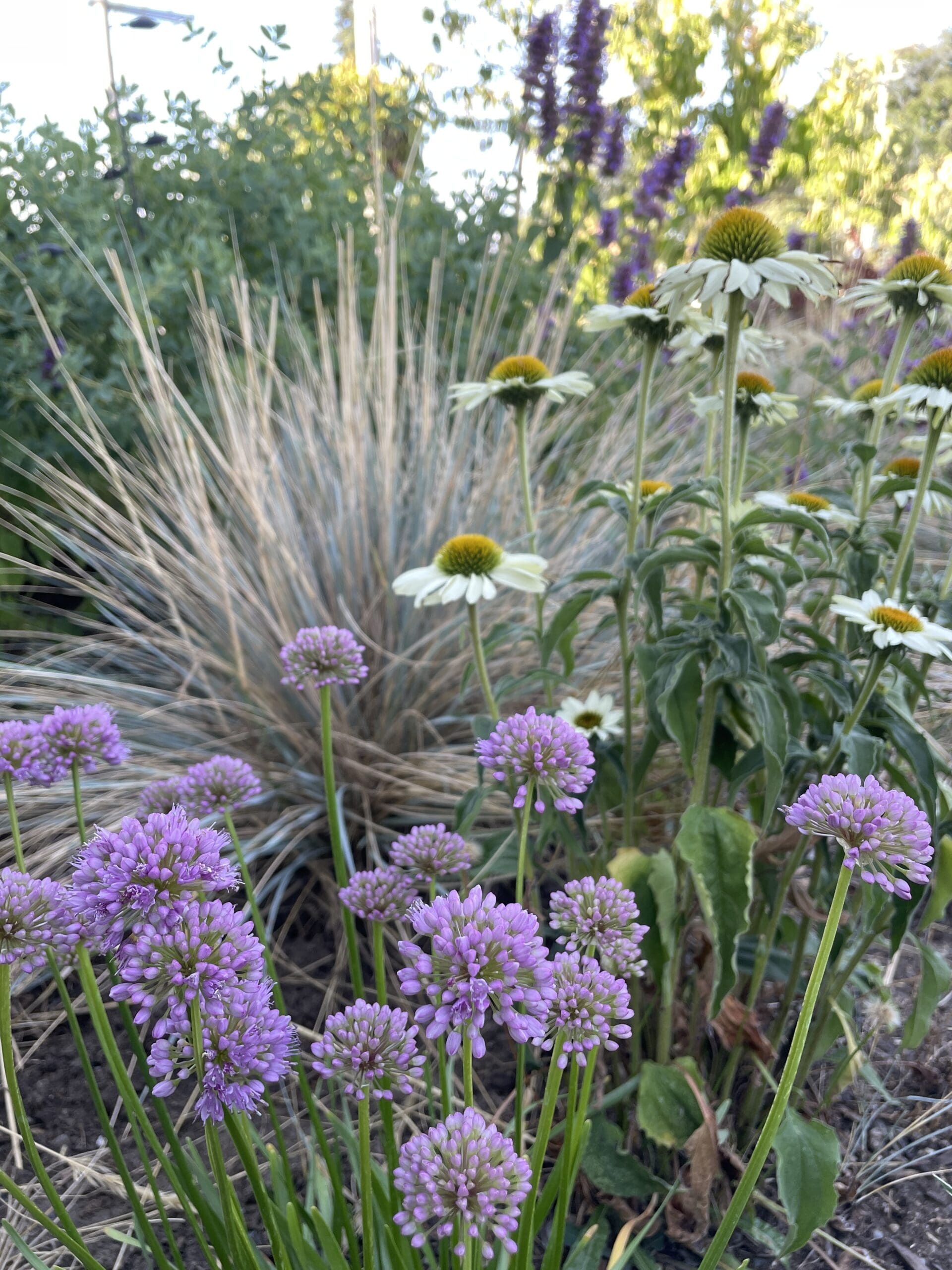
Ideal for creating naturalistic, environmentally conscious meadow-style plantings, these herbal combinations feature yarrow (Achillea), hummingbird mint (Agastache), coneflowers (Echinacea), lavender (Lavandula), and bee balm (Monarda).
Rock Gardens
Perfect for cascading over retaining walls, framing edges, or filling rocky crevices, herbal creepers such as thyme (Thymus), creeping oregano (Origanum), and creeping rosemary (Rosmarinus officinalis) thrive in these settings.

Lawns
Transform conventional turf areas with herbal alternatives like traditional chamomile (Chamaemelum nobile), creeping thyme (Thymus), and various low-growing groundcover herbs that infuse a distinctive herbal essence into lawn spaces.
Ground Cover Herbs
Employ these as durable steppable plants, attractive pathway fillers, or low-mounding definers along borders. Options encompass chamomile (Chamaemelum nobile and Matricaria recutita), thyme (Thymus), sweet woodruff (Galium odoratum), ornamental strawberry (Fragaria), wintergreen (Gaultheria procumbens), and sweet violets (Viola odorata).
Rain Garden Herbs
Suited for zones 1 and 2 in wet environments, these selections handle moist conditions effectively: wild ginger (Asarum), calamint (Calamintha grandiflora), Joe Pye weed (Eupatorium), sweet woodruff (Galium odoratum), wintergreen (Gaultheria procumbens), yellow flag iris (Iris pseudacorus), mints (Mentha), willow (Salix), and crampbark (Viburnum opulus).
Woodlands
Enhance shaded woodland areas with ‘Brunette’ black cohosh (Actaea simplex), maidenhair fern (Adiantum capillus-veneris), lady’s mantle (Alchemilla mollis), barrenwort (Epimedium), bigroot geranium (Geranium macrorrhizum), witch hazel (Hamamelis x intermedia), cowslip (Primula veris), and lungwort (Pulmonaria).
Pollinator and Bird-Friendly Herbs

Nectar and Pollen Providers
- Anise hyssop (Agastache), basil (Ocimum), bee balm (Monarda), borage (Borago), Calendula
Early-Season Color and Nectar Sources
- Catmint (Nepeta), chives (Allium), comfrey (Symphytum), lavender (Lavandula), lemon balm (Melissa), marjoram (Origanum majorana), mints (Mentha), oregano (Origanum), rosemary (Rosmarinus), rugosa rose (Rosa rugosa), garden sage (Salvia), thyme (Thymus)
Nesting and Hollow-Stemmed Options
- Elderberry, chives, lovage, fennel, dill
Umbel-Shaped Flowers
- Yarrow (Achillea), fennel (Foeniculum)
Tubular Flowers
- Bee balm (Monarda), hummingbird mint (Agastache), rosemary (Rosmarinus), sage (Salvia)
Seed Head Producers
- Coneflowers (Echinacea spp.), fennel (Foeniculum), dill (Anethum graveolens)