
Assembling a comprehensive herbal first aid kit requires including several effective herbs specifically targeted at alleviating nausea and diarrhea. These conditions can cause significant discomfort, with nausea leading to unease and queasiness, while persistent diarrhea risks severe dehydration if not properly managed, potentially escalating into a more critical health issue. Having these natural remedies on hand allows you to promptly address symptoms, halting nausea and stabilizing loose stools effectively.
Top Herbs for Combating Nausea and Diarrhea
Several standout herbs have proven particularly beneficial for tackling these digestive woes. Below, we explore their properties and applications in detail.
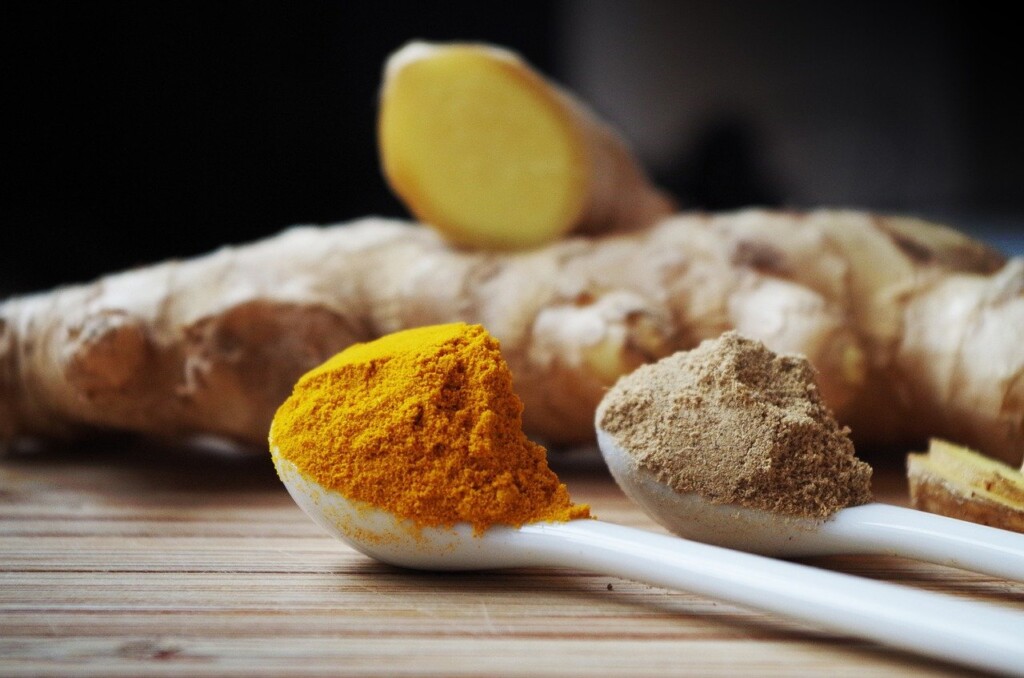
Ginger
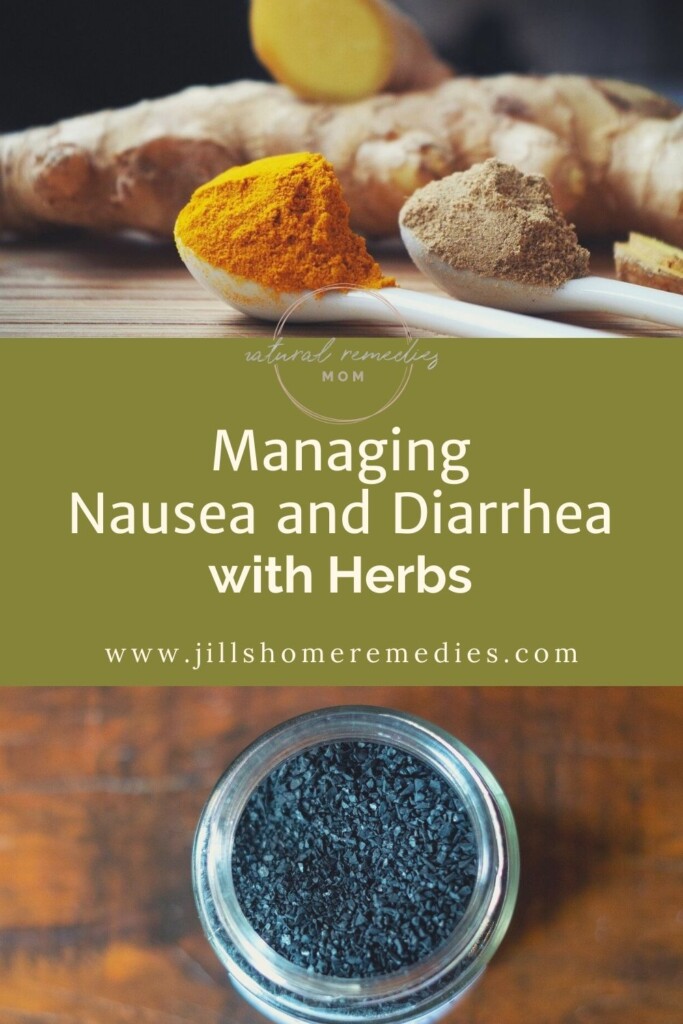
Ginger root stands out as a well-researched option, with clinical studies demonstrating its ability to significantly reduce instances of nausea, diarrhea, and vomiting. This potent herb works by settling the stomach and promoting smoother digestion.
Slippery Elm
Slippery elm offers gentle relief by soothing the full length of the digestive tract. It effectively binds to and absorbs harmful toxins present in the intestines, while also forming a protective coating that calms and relaxes the stomach, kidneys, and bowels, fostering a sense of comfort during distress.
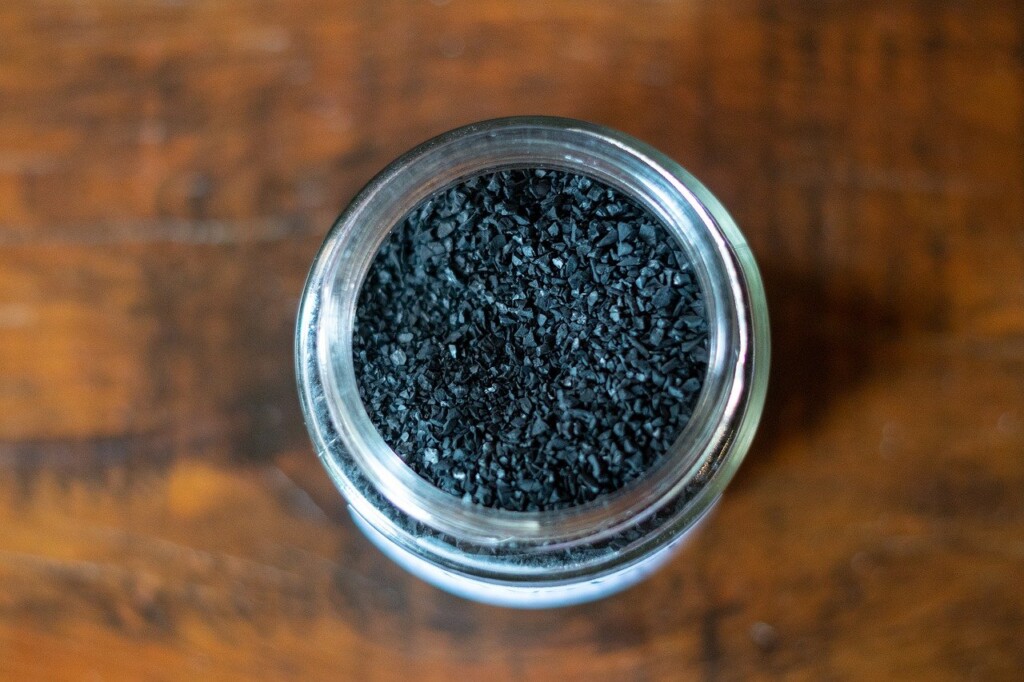
Activated Charcoal
Activated charcoal excels particularly in cases of nausea stemming from viral infections, bacterial contaminants, or food poisoning. By adsorbing toxins throughout the digestive system, it facilitates their safe elimination from the body, providing quick relief from associated symptoms.
Peppermint
Renowned for its potent anti-nausea effects, peppermint serves as a reliable remedy to soothe unsettled stomachs. To prepare a simple tea, steep one to two teaspoons of dried peppermint leaves in a cup of hot water for several minutes, allowing the aromatic compounds to infuse fully.
Practical Ways to Use These Herbs
Slippery Elm Gruel
This preparation proves especially valuable for infants and young children, offering mild yet effective support during bouts of digestive upset.
- Combine one teaspoon of slippery elm powder with a small amount of water, fruit juice, applesauce, or yogurt to create a smooth mixture.
- Administer one teaspoon of this gruel to the individual each time diarrhea occurs, helping to firm stools and reduce frequency.
Charcoal Slurry
- Blend one tablespoon of activated charcoal powder into a full glass of water, ensuring even distribution.
- Stir thoroughly and consume the entire mixture right away for optimal absorption.
- Follow immediately with an additional cup of plain water to help prevent potential constipation. For ongoing diarrhea, repeat this dosage whenever a new episode arises.
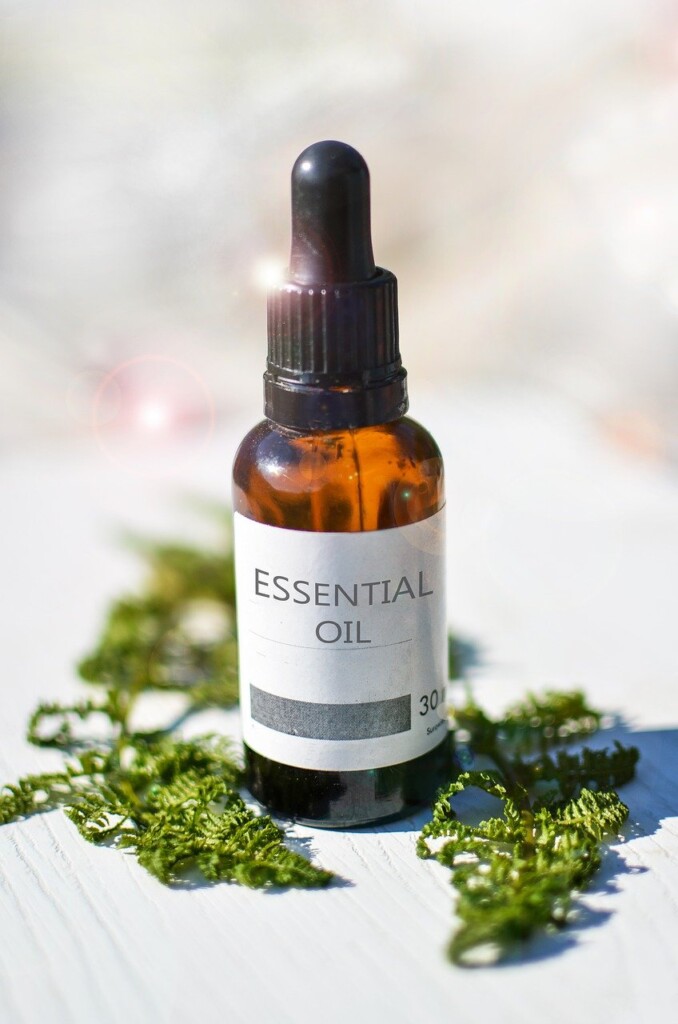
Peppermint Essential Oil
One of the most favored methods for employing peppermint against nausea involves direct topical application of the essential oil to the abdominal area, allowing for rapid absorption and relief.
Follow these steps for safe use:
- Dilute three drops of peppermint essential oil with three drops of olive oil or any suitable carrier oil to minimize skin irritation.
- Gently massage this blended oil in circular motions around the belly button, promoting relaxation of the digestive muscles.
Ginger Balls Recipe
These convenient, portable treats provide an easy way to harness ginger’s benefits on the go.
- 2 tablespoons ginger root powder
- 2 tablespoons cocoa powder
- 1 tablespoon cinnamon powder
- 2 tablespoons raw honey
- 1/2 teaspoon water
Preparation Instructions:
- Thoroughly combine the dry powders in a bowl, then gradually incorporate the honey until the mixture achieves a pliable, dough-like consistency.
- Add 1/2 teaspoon of water and mix well to refine the texture.
- Shape the dough into small balls about the size of peas for easy consumption.
- For extended storage, let the ginger balls air-dry at room temperature. They can be kept in a cool, dry location for up to one month.
Dosage Guidelines: Consume 2 or 3 ginger balls whenever nausea strikes. For proactive prevention of motion sickness, take them about an hour prior to travel or boating activities.
Recipe adapted from Medicinal Herbs by Rosemary Gladstar