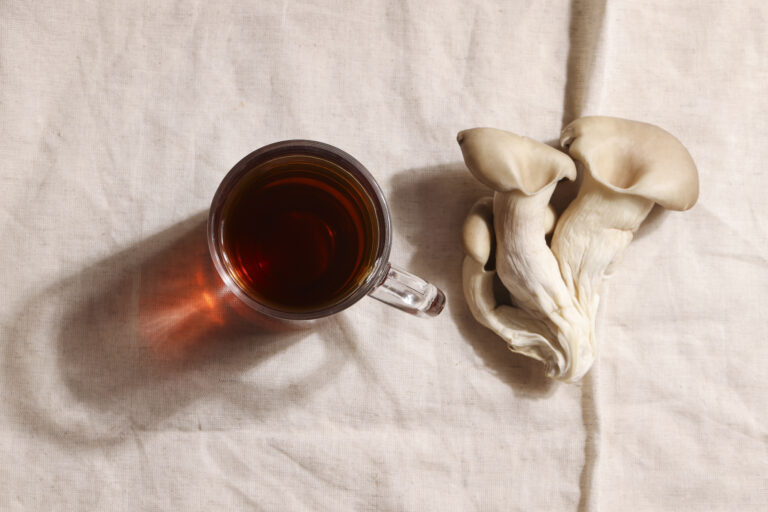

For many people, the morning begins with the comforting aroma of a warm cup in hand. In recent years, mushroom coffee has entered this daily ritual, offering a different approach to energy and focus by blending coffee with functional mushrooms like lion’s mane, chaga, or cordyceps. For tea and herbal enthusiasts, it represents an intriguing bridge between classic coffee culture and the world of functional drinks.
A Morning Ritual Reimagined
Imagine a quiet morning — steam rising slowly, the earthy scent of brewed coffee softened by subtle woody notes from mushrooms. Instead of a sharp caffeine spike, many describe the experience as gentler, encouraging a calm transition into the day. This shift in ritual is one reason mushroom coffee continues to gain attention among those seeking a more mindful start.
What Is Mushroom Coffee?
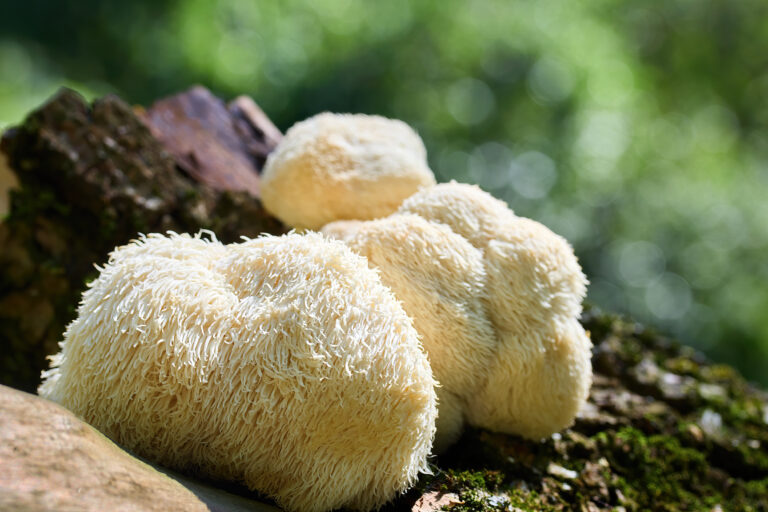
Mushroom coffee typically combines regular coffee with extracts from functional mushrooms such as lion’s mane for cognitive support, chaga for its rich antioxidant profile, or cordyceps often associated with stamina and vitality. The goal is not to replace coffee entirely, but to complement it with ingredients rooted in traditional herbal practices.
Flavor and Sensory Experience
Despite its name, mushroom coffee rarely tastes “mushroomy.” Instead, it tends to be smooth and rounded, with reduced bitterness and subtle earthy undertones. The aroma can carry hints of roasted grains and forest-like warmth, while the mouthfeel is often described as softer and less sharp than standard coffee — making it easy to sip slowly.
Energy and Daily Feel
Traditional coffee is known for delivering a quick burst of stimulation. Mushroom coffee, by contrast, is often chosen for a more balanced experience. Blends featuring lion’s mane are commonly associated with steady focus, while those highlighting cordyceps benefits are often linked to sustained energy without the same intensity.
An Alternative for Tea and Herbal Drinkers
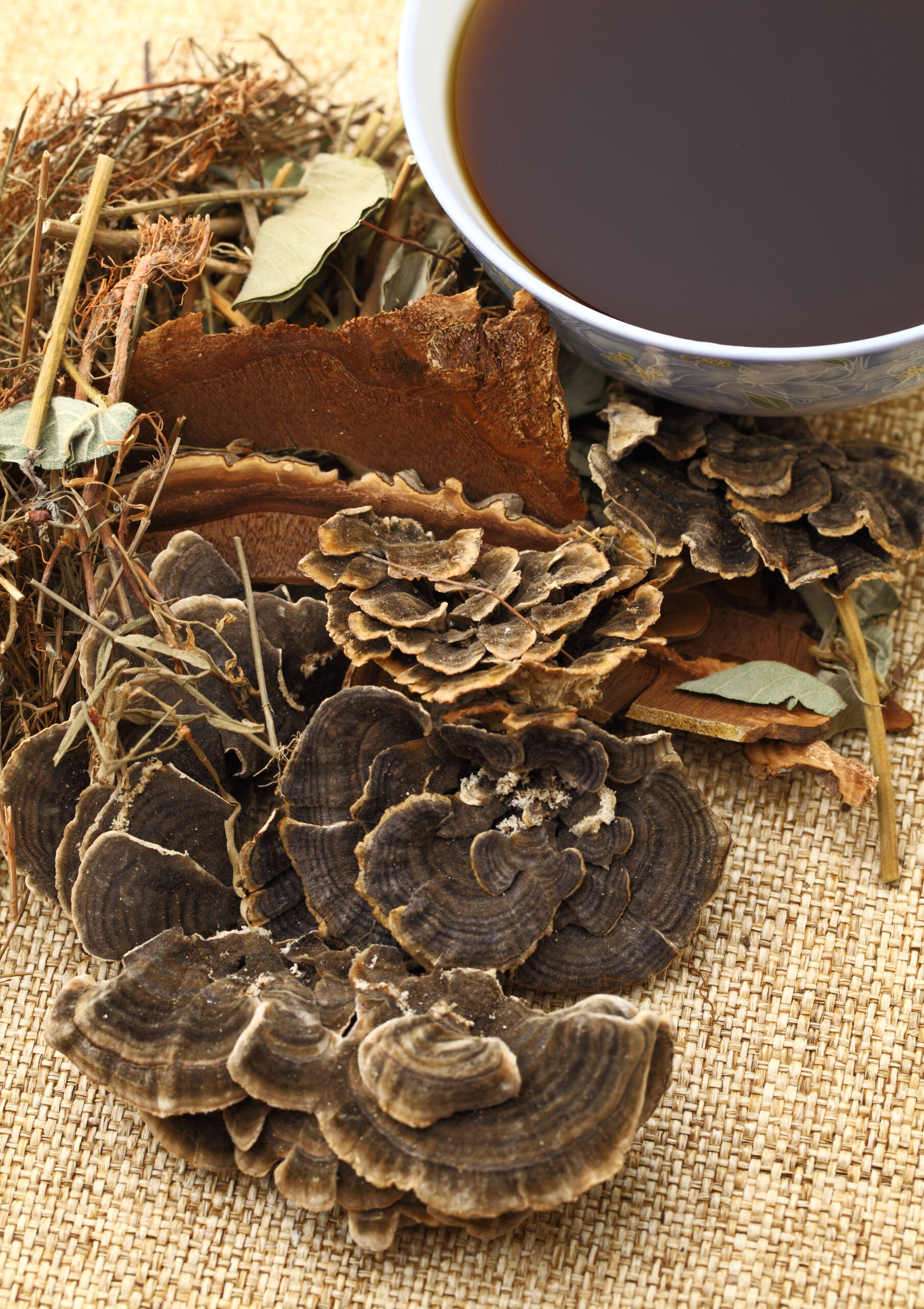
Those who prefer slower rituals may find similar qualities in lion’s mane tea, reishi tea, or chaga tea. These infusions emphasize warmth, aroma, and a gradual sense of alertness — aligning closely with traditional tea culture while exploring new botanical territory.
How to Choose Between Them
The choice ultimately depends on what you seek from your cup. If you enjoy bold intensity and familiarity, regular coffee remains a timeless option. If you’re curious about a smoother, more nuanced ritual that integrates functional ingredients, mushroom coffee offers a compelling alternative.
FAQ
Does mushroom coffee taste like mushrooms?
Usually not. Most blends taste very similar to coffee, with only mild earthy notes that add depth rather than dominate.
Is mushroom coffee lower in caffeine?
Many blends contain slightly less caffeine than regular coffee, though levels vary by brand and formulation.
Can tea drinkers enjoy mushroom coffee?
Yes — especially those interested in functional beverages. It can feel like a natural extension of herbal and tea rituals.
Are there caffeine-free options?
Some products are made entirely from mushrooms and herbs without coffee, offering a caffeine-free alternative similar to herbal infusions.
A Cup Worth Exploring
Mushroom coffee doesn’t aim to replace traditional coffee — it simply broadens the landscape of daily rituals. By bringing together the familiar comfort of roasted beans and the earthy depth of functional mushrooms, it offers another way to approach energy with intention and curiosity. Whether you prefer the bold character of classic coffee or the softer rhythm of functional blends, both can find a natural place in a thoughtful morning routine.
Disclaimer: This article is for informational and educational purposes only. It is not intended as medical advice, diagnosis, or treatment. Functional mushrooms and herbal products may affect individuals differently. Always consult a qualified healthcare professional before adding new supplements or herbal preparations to your routine, especially if you are pregnant, nursing, taking medication, or managing a health condition.