

Hot flashes, heart palpitations, mood swings, and unwanted weight gain represent only a few of the challenging symptoms associated with menopause. What triggers these experiences in women, and which natural approaches can effectively alleviate them?
Menopause in women typically takes place between the ages of 45 and 55, marked by a full year without any menstrual periods. As estrogen levels in the body decline progressively, menstrual cycles gradually cease to occur. Concurrently, a range of uncomfortable and disruptive effects start to emerge, impacting daily life and well-being.
Among the array of symptoms that women may encounter during this phase are mood swings, intense hot flashes, vaginal dryness, reduced sexual desire, heightened susceptibility to vaginal and urinary tract infections, sleep disturbances like insomnia, and various other issues. Hot flashes stand out as the most prevalent and recognizable symptom of menopause.
The occurrence and intensity of hot flashes can differ significantly from one woman to another. This symptom manifests as sudden surges of intense heat spreading across the body, often accompanied by profuse sweating, followed by chills or a sensation of coldness. These episodes tend to be particularly frequent during nighttime, disrupting sleep and adding to overall fatigue.
Natural Approaches to Managing Menopause Symptoms
Touch-Based Therapies for Menopause Relief

Therapies involving physical touch, such as reflexology, traditional acupuncture, and the specialized Korean technique known as Su Juk, offer substantial support and fortification during the menopausal transition. Integrating these methods into a comprehensive treatment plan can yield enhanced benefits, making it highly recommended to pursue them in combination for optimal results.
Exercise Routines to Enhance Emotional Well-Being
Maintaining a consistent regimen of aerobic physical activity becomes especially crucial during menopause. Experts suggest engaging in exercises comparable to a brisk 30-minute walk each day. Research consistently demonstrates that regular physical exertion boosts the production of key neurotransmitters, including serotonin, which play vital roles in regulating mental health and emotional stability. Consequently, incorporating exercise proves highly effective for elevating mood and countering depressive tendencies.
Increasing Water Intake to Minimize Hot Flash Intensity
While it might seem remarkably straightforward, consuming ample amounts of cold water regularly throughout the day has been shown to diminish the frequency and severity of hot flashes by as much as 25 percent. Beyond this specific benefit, prioritizing hydration during menopause is essential because the natural sensation of thirst often gets misinterpreted as hunger. This misperception leads to overeating while under-hydrating, contributing to weight gain and complicating efforts to maintain balance in everyday routines and energy levels.
The Value of Open Communication

Recognize that menopause represents a universal phase in every woman’s life journey, though each individual navigates it uniquely with varying intensities and manifestations. Openly discussing your experiences with close friends and family members fosters greater empathy and understanding. This sharing helps others comprehend the underlying reasons for your emotional fluctuations, promoting a more supportive environment during this transformative period.
Optimal Nutrition Strategies for Easing Menopause Symptoms
Vitamin E’s Role in Combating Hot Flashes
Numerous scientific studies have validated the potent efficacy of vitamin E’s antioxidant components in addressing hot flashes. These same antioxidants prove equally beneficial for mitigating night sweats, which often interfere with restorative sleep. To incorporate sufficient vitamin E naturally, focus on incorporating whole grains such as rye and brown rice into your meals. Complement these with vitamin E-rich fruits like watermelon and strawberries, alongside nuts and legumes, to build a robust dietary foundation.
Incorporating Soy Products for Symptom Relief
Health professionals strongly advocate for the regular inclusion of soy-based foods in the diet to help curb hot flashes experienced during menopause. Soybeans are a natural source of phytoestrogens, plant-derived compounds that mimic estrogen’s effects. These phytoestrogens assist in restoring hormonal equilibrium within the body, thereby significantly reducing the occurrence of hot flashes. While some gynecologists might suggest soy supplements, opting for whole soy products offers a more holistic alternative. Consider adding unsweetened soy milk, tofu, tempeh, and miso to your culinary repertoire. Edamame, or frozen soybeans in their pods, can also be easily prepared by boiling them briefly in water for a nutritious snack.
Flaxseeds: A Source of Beneficial Phytoestrogens
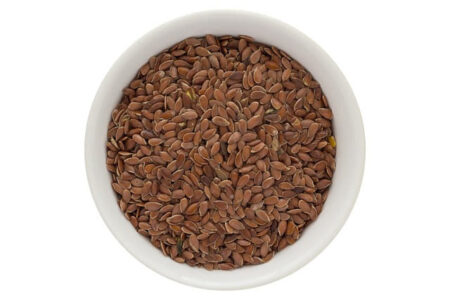
Flaxseeds are particularly noteworthy for their content of lignans, a type of phytoestrogen that promotes hormonal stability amid menopausal changes. Aim to consume between one and two tablespoons of freshly ground flaxseeds daily. Always grind the seeds immediately before use to preserve the integrity of sensitive nutrients like omega-3 fatty acids, preventing oxidation. Versatile in application, you can blend ground flaxseeds into smoothies, mix them into salads, or simply sprinkle them over your favorite dishes for an easy nutritional boost.
Phytoestrogen- and Calcium-Rich Foods for Menopause Support
Prioritizing foods abundant in phytoestrogens and calcium provides essential strengthening and sustenance throughout menopause. Excellent choices include soy derivatives, flaxseeds, whole grains, oats, an assortment of nuts like almonds, sea vegetables, leafy greens, and other nutrient-dense vegetables. Simultaneously, eliminate or strictly limit consumption of heating and stimulating foods, such as red meats, processed items laden with empty carbohydrates, caffeinated beverages, and alcoholic drinks, to avoid exacerbating symptoms.
The Importance of Vitamin C
Vitamin C, along with bioflavonoids (previously termed vitamin P), serves as indispensable nutrients for overall bodily health. These compounds excel at naturally combating allergies and inflammation. Even though hot flashes arise from physiological hormonal shifts rather than infections, clinical observations indicate that diets rich in vitamin C and bioflavonoids substantially ease the discomfort for those affected. Prime sources encompass citrus fruits, tomatoes, and even red wine in moderation.
Herbal Remedies for Alleviating Menopause Symptoms

Black Cohosh
In Europe, black cohosh enjoys widespread use, primarily targeting menopausal symptoms with a focus on hot flashes. The plant’s key active constituents function as a gentle, natural estrogen analog, helping to regulate the body’s hormonal environment. Be aware that the therapeutic benefits of black cohosh typically emerge gradually over time, so immediate relief from hot flashes should not be anticipated. Furthermore, as it influences hormone levels, consulting a healthcare provider prior to initiation is advisable to ensure suitability.
Stellaria Media
Stellaria media, or common chickweed, holds a esteemed place in traditional herbal practices as a safe option for addressing diverse health concerns, including joint discomfort, respiratory issues like pneumonia and asthma, infected wounds, and menopausal symptoms. This versatile herb can be ingested in its entirety or sourced as extracts and dried leaves from reputable health outlets. A consistent daily intake of Stellaria media has been noted to markedly lessen hot flash severity, and in certain cases, eliminate them altogether.
Sage
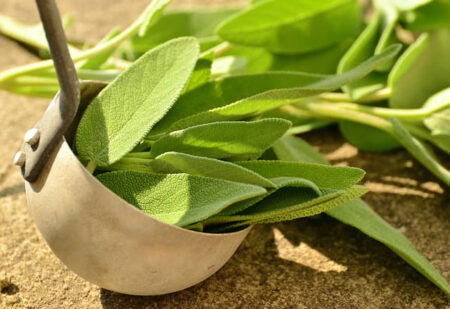
Research involving menopausal women who consumed at least one cup of pure sage tea daily revealed a substantial reduction in hot flash episodes compared to those who abstained. Sage boasts an extensive profile of health advantages and distinguishes itself among herbal remedies by not acting as a hormonal replacement, offering a safer profile for long-term use.
Dioscorea Villosa for Menopause Management
Native to North America and commonly referred to as wild yam, Dioscorea villosa plays a supportive role in ovarian health and proves particularly apt for managing menopausal discomforts. It effectively addresses hot flashes and nocturnal sweats, bolstered by its antispasmodic and anti-inflammatory attributes. When paired with black cohosh, it creates a synergistic effect, further stabilizing hormones and providing comprehensive relief from menopausal challenges.
Glycyrrhiza Glabra
Known universally as licorice, Glycyrrhiza glabra thrives wild in regions of West Asia and Southern Europe. For centuries, it has served medicinal purposes globally, tackling conditions across digestive, respiratory, and immune functions, while also fortifying the body overall. Its root excels at bolstering ovarian processes, making it invaluable during early menopause when rapid symptom onset, including hot flashes and emotional turmoil, predominates. Additionally, licorice root’s demulcent properties, derived from its gel-like compounds, hydrate and soothe dry skin and vaginal tissues effectively.
Verbena Officinalis
Verbena officinalis ranks among the most comprehensive herbs in phytotherapy, exerting broad influences on nearly every bodily system. Originating from Europe, its renown stems from worldwide medicinal applications, especially its profound calming effects on the nervous system. This herb facilitates gentle sedation and harmonizes physiological and metabolic functions. It shines particularly in addressing the psychological facets of menopause, such as chronic stress, overload, headaches, migraines, insomnia, anxiety, depression, and widespread bodily tension.