
What Makes Lion’s Mane Unique?
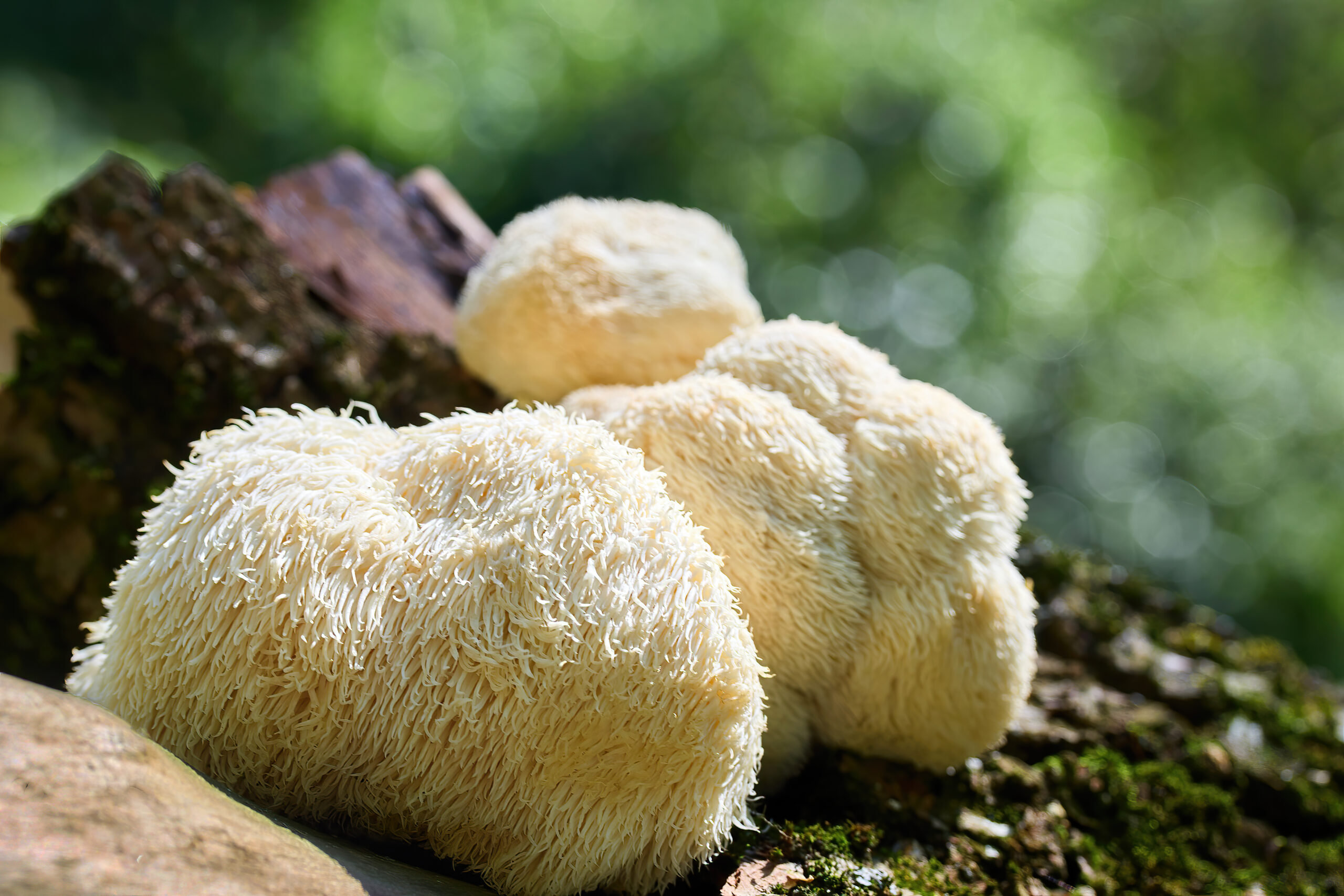
Lion’s mane (Hericium erinaceus) contains bioactive compounds such as hericenones and erinacines that are being studied for their relationship with nerve health and cognitive function. Many people incorporate lion’s mane into their routines to support focus, memory, and a calm, steady sense of alertness without the sharp stimulation associated with caffeine.
Lion’s Mane Tea as a Daily Ritual
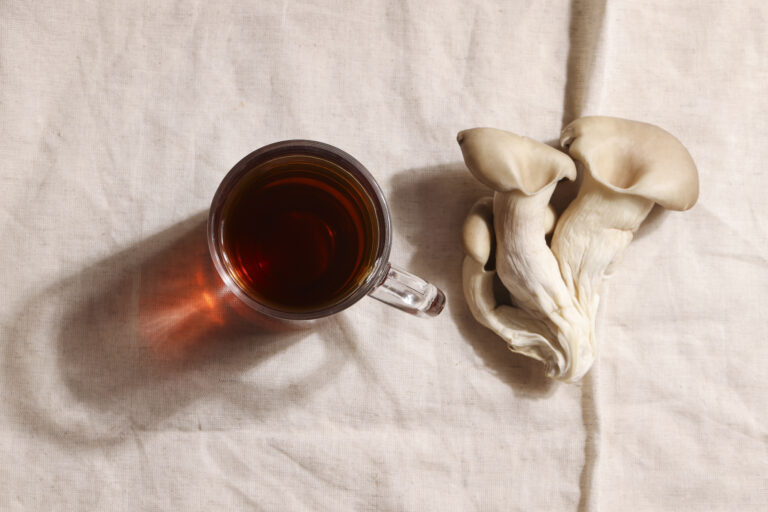
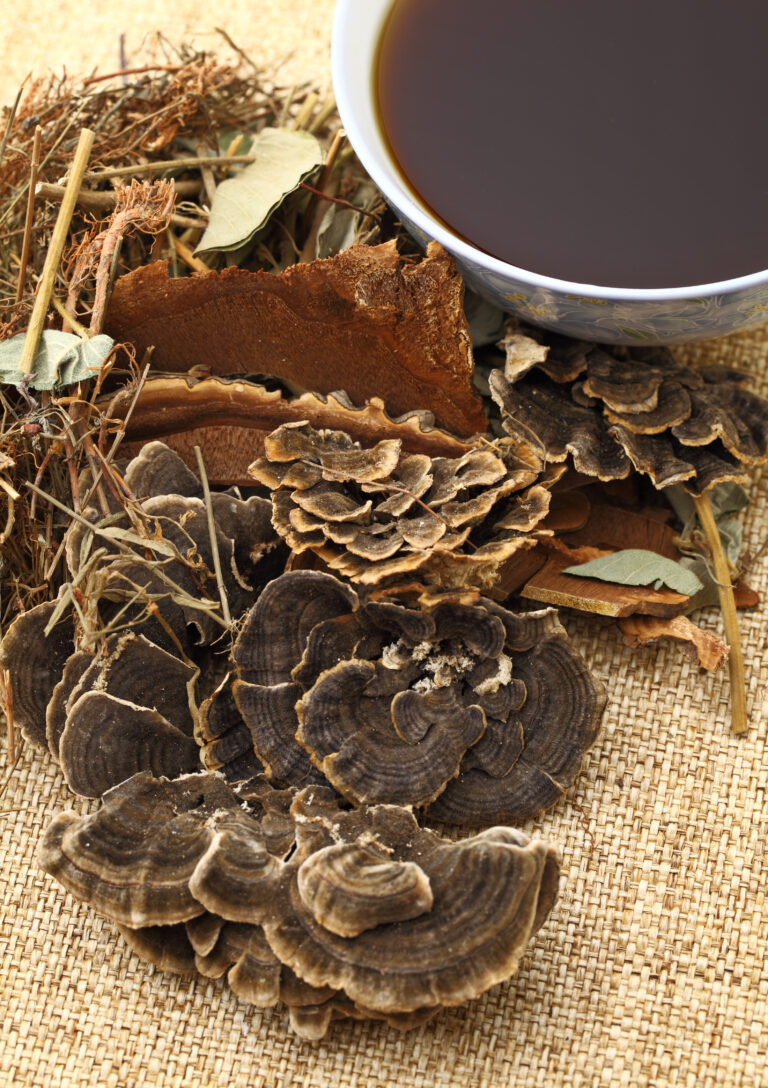
Preparing lion’s mane tea is one of the simplest ways to enjoy this mushroom. Traditionally, slices of dried mushroom are simmered gently to create a mild, earthy infusion. Modern preparations often use powdered extracts that dissolve easily in hot water, producing a smooth drink that pairs well with spices or cacao.
Lion’s mane tea can be enjoyed on its own or combined with other functional infusions like reishi tea or chaga tea to create layered flavor and complementary herbal traditions.
Benefits of Daily Use
Many enthusiasts choose to take lion’s mane consistently as part of a daily wellness routine. Regular use is often associated with supporting sustained mental clarity, maintaining focus during demanding tasks, and promoting a balanced sense of calm alertness. Some people also appreciate incorporating it into morning or midday rituals as a gentle alternative to stronger stimulants.
As with many herbal traditions, the emphasis is typically on steady, long-term use rather than immediate effects, allowing the body time to respond gradually.
Suggested Amounts and How to Start
Suggested amounts can vary depending on the form used. For teas made from dried mushroom pieces, a small handful (or roughly 1–2 teaspoons of cut mushroom) simmered for 10–20 minutes is a common starting point. For powdered extracts, many products suggest around 500 mg to 2 grams per day, though it is always best to follow the guidance provided by the manufacturer.
Those new to lion’s mane may prefer to begin with a lower amount and observe how it fits into their routine, gradually adjusting as desired. Incorporating lion’s mane tea into a consistent daily habit — such as a morning cup or afternoon pause — can make the experience more enjoyable and sustainable.
How It Fits Into the World of Functional Beverages
Beyond tea, lion’s mane is commonly included in mushroom coffee blends designed to offer a balanced energy experience. Unlike traditional coffee alone, these blends aim to support focus while softening the intensity of caffeine. Lion’s mane is also often paired with other mushrooms associated with cordyceps benefits or the calming qualities of reishi.
Consistency Over Intensity
Many enthusiasts emphasize that lion’s mane works best when used consistently as part of a daily ritual — similar to how one might enjoy green tea or herbal infusions. Its effects are often described as subtle and cumulative, aligning well with a slow, intentional approach to wellness.
Disclaimer: This article is for informational and educational purposes only. It is not intended as medical advice, diagnosis, or treatment. Functional mushrooms and herbal products may affect individuals differently. Always consult a qualified healthcare professional before adding new supplements or herbal preparations to your routine, especially if you are pregnant, nursing, taking medication, or managing a health condition.