

This herbal tea recipe is designed specifically for preparation in a slow cooker, offering a convenient way to extract the full benefits of the ingredients over time. Alternatively, you can prepare it on the stovetop as a traditional decoction, maintaining the exact same proportions of herbs to water for optimal results. Below, we explore each component of this blend and the specific reasons it contributes to overall wellness during seasonal shifts.
Key Ingredients and Their Benefits
The foundation of this tea is built around carefully selected herbs, each chosen for their unique properties in supporting the body through the fall-to-winter transition.
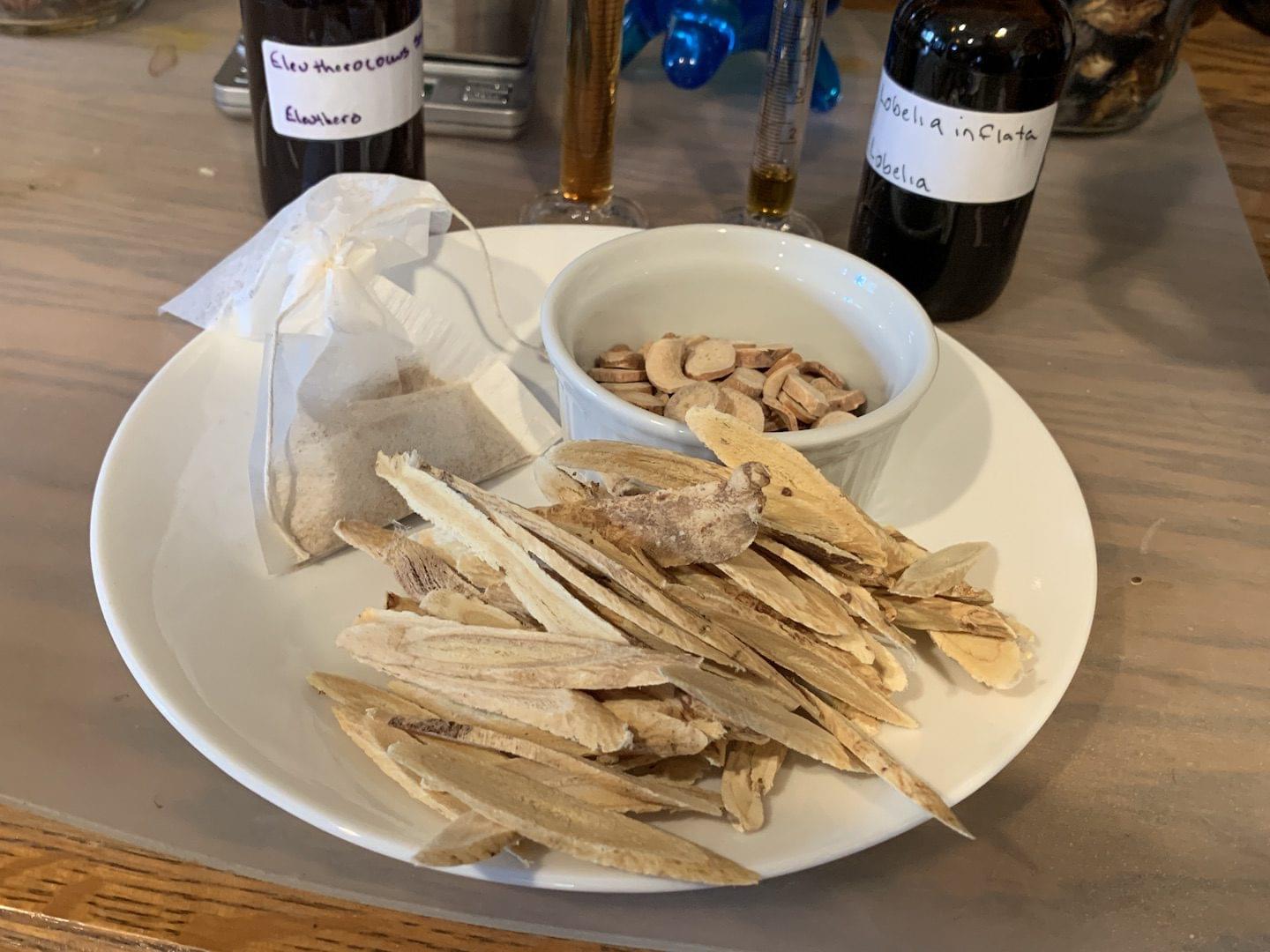
- Astragalus: Renowned as an adaptogen with a strong focus on bolstering the immune system and supporting the upper respiratory areas, as noted by experts in traditional practices. This herb stands out for extended use, helping the body adapt to the various stressors associated with changing seasons, environmental challenges, and daily demands.
- White Peony and Licorice Root: Together, these roots work synergistically to alleviate stagnation, particularly in the blood, drawing from time-honored Traditional Chinese Medicine principles. This combination is especially valued during women’s reproductive years for easing menstrual discomforts like cramping and clotting. In this formula, their role extends to promoting smooth circulation throughout the entire body. Individuals of all genders, including men and those in perimenopause, who experience stiffness, fatigue, general achiness, or swelling during seasonal changes, will find this duo particularly beneficial for restoring comfort and vitality.
- Eleuthero senticosus, commonly known as Siberian Ginseng: This root serves as a gentle adaptogenic energy enhancer. Unlike more potent options, it provides a milder boost, making it ideal for sensitive individuals who might feel overwhelmed by stronger stimulants, allowing for sustained energy without overstimulation.
- Lobelia: Included to direct the formula’s effects toward the chest and lung regions, where it has a natural affinity. Beyond this, Lobelia acts as a smart guide within the blend, identifying the body’s most needy areas and channeling the other herbs’ actions precisely where they are required most.
Helpful Substitutes for Customization
For those looking to adapt the recipe based on availability or personal needs, consider these effective alternatives that maintain the blend’s supportive qualities.
- Elderberry or Rose Hips: These can replace White Peony and Licorice Root effectively. Elderberry fortifies cell membranes for enhanced immune defense, while Rose Hips deliver essential nutrients to support tissue repair and overall resilience.
- Schizandra Berry: An excellent stand-in for White Peony and Licorice if digestive balance is a priority. This berry nurtures the heart, lungs, and gastrointestinal tract, with special benefits for lung health. It proves particularly helpful for people prone to loose stools or restless sleep patterns.
Ingredients List
- 3 quarts (2.75 liters) of water
- 50 grams of Astragalus root slices (roughly a generous handful)
- 35 grams or 3-4 tablespoons (40-60 ml) of White Peony
- 8 grams or 3 teaspoons (15 ml) of Licorice Root powder (or equivalent whole root by weight)
- 10 ml of Eleuthero senticosus root tincture
- 1 ml of Lobelia tincture
Required Equipment
- A 3-quart (3-liter) slow cooker or comparable vessel
- Precise scales or tools for accurate measurement
- Measuring spoons for smaller quantities
Step-by-Step Preparation Procedure
- Begin by carefully weighing or measuring all your ingredients. For any powdered herbs in the mix, place them into a reusable tea bag or muslin pouch to prevent the fine particles from scattering throughout the liquid during cooking.
- Combine every ingredient into the slow cooker, ensuring even distribution.
- Activate the slow cooker on its low heat setting, and double-check that it is securely plugged in and functioning.
- Allow the herbs to simmer gently for a minimum of 12 hours to fully extract their beneficial compounds.
- Once ready, strain out portions one mug at a time directly into your cup, savoring the warm, nourishing brew.
Storage Guidelines and Daily Usage Recommendations
After the initial 12-hour infusion period, you have the option to strain the herbs completely from the decoction and transfer the liquid to a clean glass container for refrigeration. When serving, always reheat a mugful to at least a comfortable lukewarm temperature—ideally hot, but not scalding—for the best experience and to preserve the therapeutic warmth.
My personal favorite approach is to leave the herbs immersed in the decoction within the slow cooker for multiple days, keeping it on low heat continuously. This method maximizes extraction and convenience. Simply use a ladle to scoop out about one cup at a time for consumption. Each time you remove liquid, replenish the slow cooker with fresh water to maintain volume, continuing until the flavor begins to fade noticeably. At that point, consume the remaining decoction and discard the spent herbs.
Incorporate 1 to 2 mugs into your daily routine, such as in the morning and late afternoon. I typically aim for around 8 ounces (250 ml) per serving, though exact measurements aren’t always necessary—listen to your body’s cues. This blend is safe and effective for ongoing use throughout the seasonal transition, potentially spanning up to a couple of months, to help maintain robust health and resilience.