
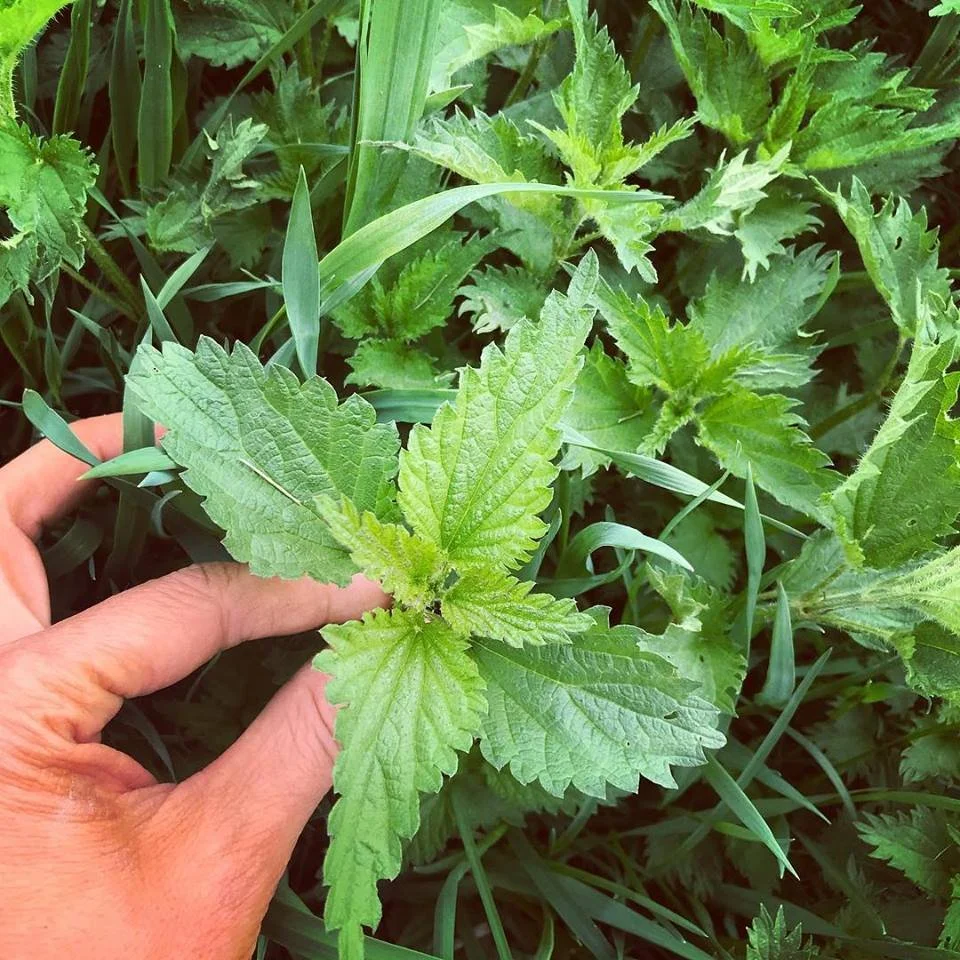
Stinging nettles hold a cherished place in the world of herbalism, and for very good reasons. Often described as a true “people’s herb,” this remarkable plant thrives on nearly every continent except Antarctica. Wherever humans have crossed paths with nettles, they have integrated it deeply into their culinary traditions, medicinal practices, and cultural narratives. The bond between humanity and nettles stretches back through time, with archaeological evidence confirming its use as a fiber source during the Bronze Age around 3,000 years ago. It’s highly probable that our relationship with this versatile plant extends even further into prehistory, beyond what current records can reveal.
Nettles Materia Medica
Common Names:
Stinging Nettle, Nettles, Ortiga (in Spanish), Ortie (in French), Ortica (in Italian), Nessle (in German), Xun Ma (Chinese Pinyin).
Latin Name:
Urtica dioica (the predominant species across North America), Urtica dioica ssp. dioica (the European variety of stinging nettle), Urtica membranacea (native to Mediterranean and Southwest Asia/North Africa regions), Urtica dioica ssp. gracilis (North American stinging nettle), Urtica dioica ssp. holosericea (known as Hoary Nettle).
Plant Family:
Urticaceae.
Parts Used:
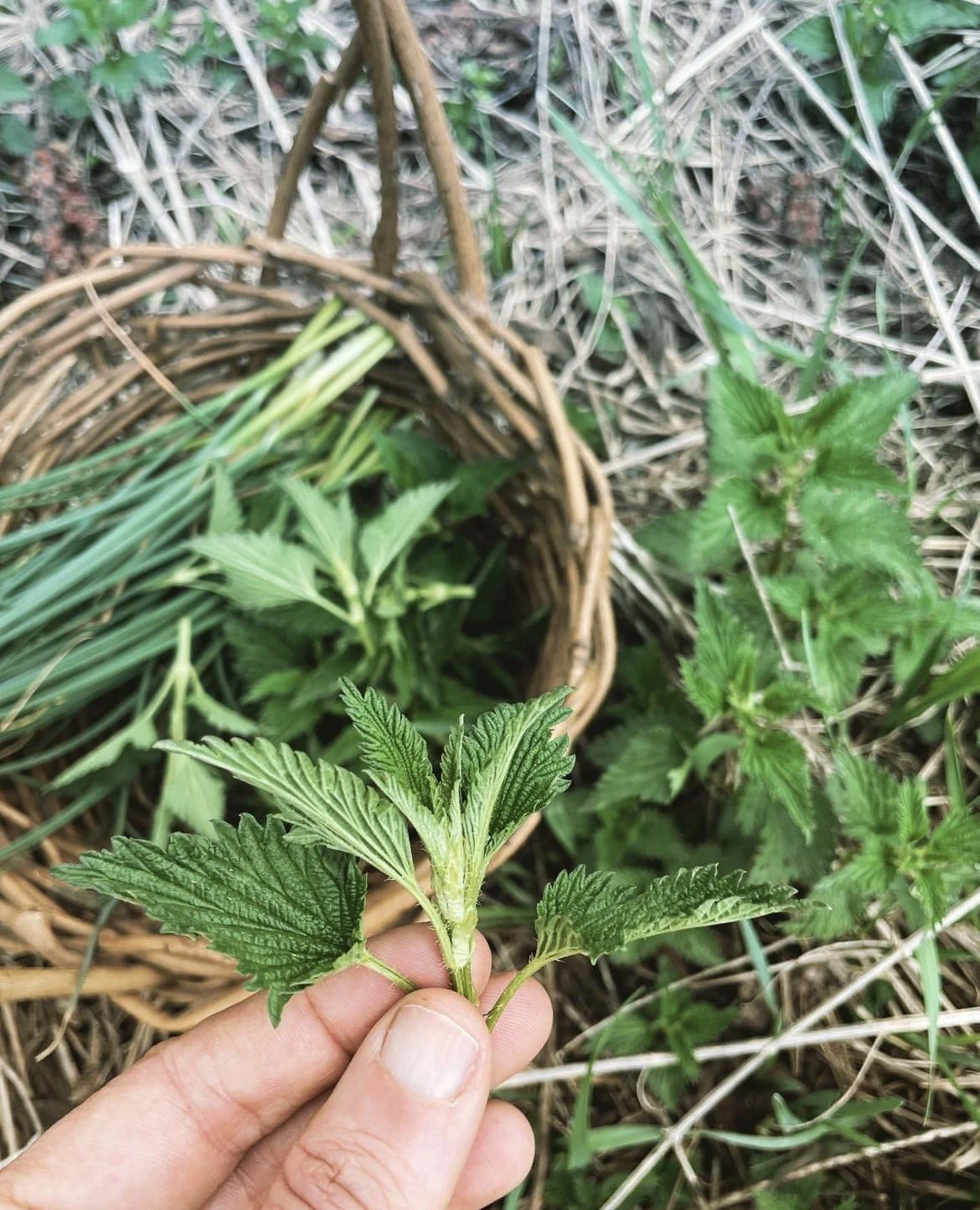
Primarily the leaves and young, tender stems (harvested prior to flowering or seeding), along with roots and seeds (collected when green and full).
Preferred Habitats:
Nettles are incredibly widespread, appearing in every U.S. state and spanning the temperate zones worldwide. They particularly flourish in abandoned farmlands, active farms, compost piles, nutrient-rich soils, gardens, open meadows, trail edges, bicycle paths, floodplains, and along lakeshores and riverbanks.
Botanical Description:
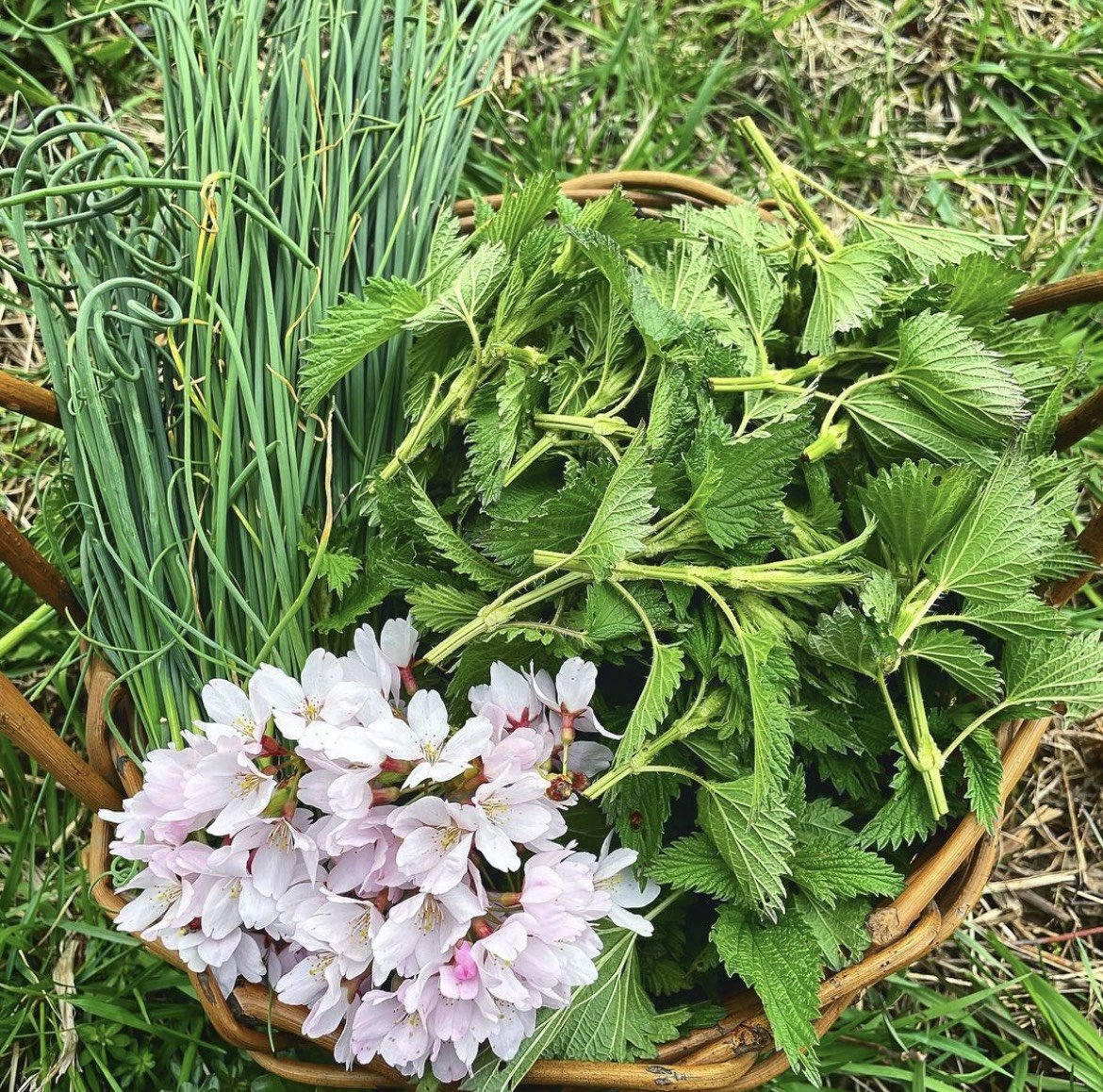
Encountering nettles even once leaves a lasting impression, teaching you instantly how to recognize it thereafter! The plant’s signature trait is its potent sting. Fine hairs, known as trichomes, cover the entire plant and are visible to the unaided eye. These hollow, needle-like structures feature a bulbous base containing irritating venom. They detach easily upon contact, injecting the sting. As a herbaceous perennial, it boasts square stems and pairs of opposite, oval leaves with sharply serrated margins. Plants can soar beyond 4 feet tall, though they often remain shorter. Vibrant green throughout, it produces tiny, inconspicuous greenish flowers in early summer—resembling fuzzy little green spheres that droop in clusters from leaf axils. These evolve into green seeds by late summer, eventually browning. In autumn, the plant dies back to its roots, leaving persistent stalks. European nettles are typically dioecious (bearing separate male and female flowers), while North American ones (Urtica dioica ssp. gracilis) are usually monoecious.
Ecological Role in Herbalism:
Nettles exemplify a quintessential “people’s plant”! They proliferate wherever human activity, farms, or livestock are present. The classic European subspecies (Urtica dioica ssp. dioica), originally from Eurasia, now carpets every continental U.S. state and all continents save Antarctica. North America hosts native species as well, with ranges overlapping between European and local varieties. Some botanists argue the subspecies are indistinguishable, leading most to simply call it Urtica dioica. Nettles’ presence signals fertile, mineral-rich soil. As dynamic accumulators, they draw up and concentrate essential minerals, aiding soil remineralization. However, they can also bioaccumulate heavy metals, so harvest cautiously from uncontaminated areas.
Taste Profile:
Salty, with mild bitterness and a hint of sweetness.
Energetic Qualities:
Leaves, Stems, Roots: Cooling and drying (though some traditions, like Chinese medicine, classify them as warming; personally, I find topical applications warming, while internal use feels cooling).
Seeds: Warm to neutral, moistening.
Key Chemical Constituents:
Stinging Hairs: Histamine, formic acid, acetylcholine, and 5-hydroxytryptamine (serotonin).
Leaves, Stems, Seeds: High in protein, linoleic acid, quercetin, nitrogen, chlorophyll, magnesium, silica, sulfur, manganese, potassium, zinc, iron, beta-carotene, fiber, vitamins A and C, polyphenols—and virtually every essential mineral imaginable!
Roots: Rich in sterols.
Primary Herbal Actions:
Acts as an antioxidant, adrenal tonic, alterative, astringent, natural antihistamine, diuretic, galactagogue, hemostatic agent, superior nutritive, kidney trophorestorative, and urinary tract tonic.
Therapeutic Applications
Roots: Renowned for addressing Benign Prostatic Hyperplasia (BPH), particularly when paired with saw palmetto berries. They tonify and fortify prostate health effectively.
Seeds: Serve as a powerful kidney trophorestorative, with herbalists noting profound improvements in clients facing severe renal conditions nearing failure. Tinctures of fresh green seeds prove most effective for this purpose. Dried seeds can also be consumed directly. Ideal for combating exhaustion, they function as a robust adrenal tonic, alleviating adrenal fatigue, balancing hormones, bolstering immunity, and enhancing stress resilience. They may feel stimulating to some, so begin with small amounts.
Leaves and Tender Stems: These represent the plant’s most celebrated medicinal components, offering a vast array of benefits. Above all, nettles shine as a nutritive tonic, suitable for everyday consumption and brimming with vital trace minerals and vitamins. Given the water-solubility of these nutrients, a nourishing infusion maximizes absorption. Daily intake supports remineralization, aiding in cavity repair and deficiency correction—root causes of numerous ailments. Arguably our most nutrient-dense herb, nettles surpass even kale and spinach in mineral content.
Boasting up to 33% protein—the highest in the plant world—nettles excel at replenishing the body post-blood loss, surgery, or illness. They address nonspecific health woes tied to nutrient gaps, functioning like a bioavailable herbal multivitamin far superior to synthetics. Commit to 2-4 cups of nourishing infusion daily for a month, then evaluate resolved versus persistent symptoms for targeted follow-up.
Many herbalists classify nettles as an adrenal tonic for burnout recovery, adrenal restoration, and nervous system fortification—some even deem it adaptogenic. Free of adverse effects, it’s safe across all ages. Iron-rich and a premier blood-builder, it’s invaluable for anemia and routinely used in pregnancy. As a nutrient-packed prenatal tonic, the infusion or culinary use nourishes both parent and child. Postpartum and during lactation, it supports recovery while acting as a galactagogue to boost milk supply.
Functioning as an alterative or blood purifier, nettle leaves bolster detoxification organs (skin, kidneys, liver), easing arthritis, joint discomfort, and inflammatory dermatoses like eczema and psoriasis. A time-honored spring tonic, it invigorates eliminative channels, flushing winter’s metabolic buildup. Irish tradition holds that three nettle meals in spring ensure yearly vitality! For seasonal allergies, nettles mimic antihistamines, swiftly relieving pollen-induced runny noses, congestion, and sneezing; they may also mitigate mold, dust, or pet allergies. Tinctures or freeze-dried capsules offer rapid acute relief during peaks, with infusions providing support. For prevention, sip a quart of infusion 2-3 times weekly, starting 2-3 months prior—often averting symptoms entirely!
A potent diuretic, nettles tonicize the urinary tract, combating UTIs (cystitis), nephritis, stones, and kidney disorders acute or chronic. Historically employed for gout, aiding uric acid excretion. Externally, as a hemostat (thanks to vitamin K), powdered dried herb stanches wounds. Fresh plants enable “urtication”—deliberate stinging—to alleviate arthritic pain, muscle rigidity, and injuries via counterirritation.
Nettles double as exceptional wild food and perennial greens, interchangeable with spinach in soups, sautés, stir-fries, spanakopita, frittatas, stews, sauces—you name it. Embraced globally in Asia, Europe, the Mediterranean, the Americas, Africa, and beyond, both historically and today.
As herbalist David Hoffmann aptly noted: “When in doubt, prescribe nettles!”
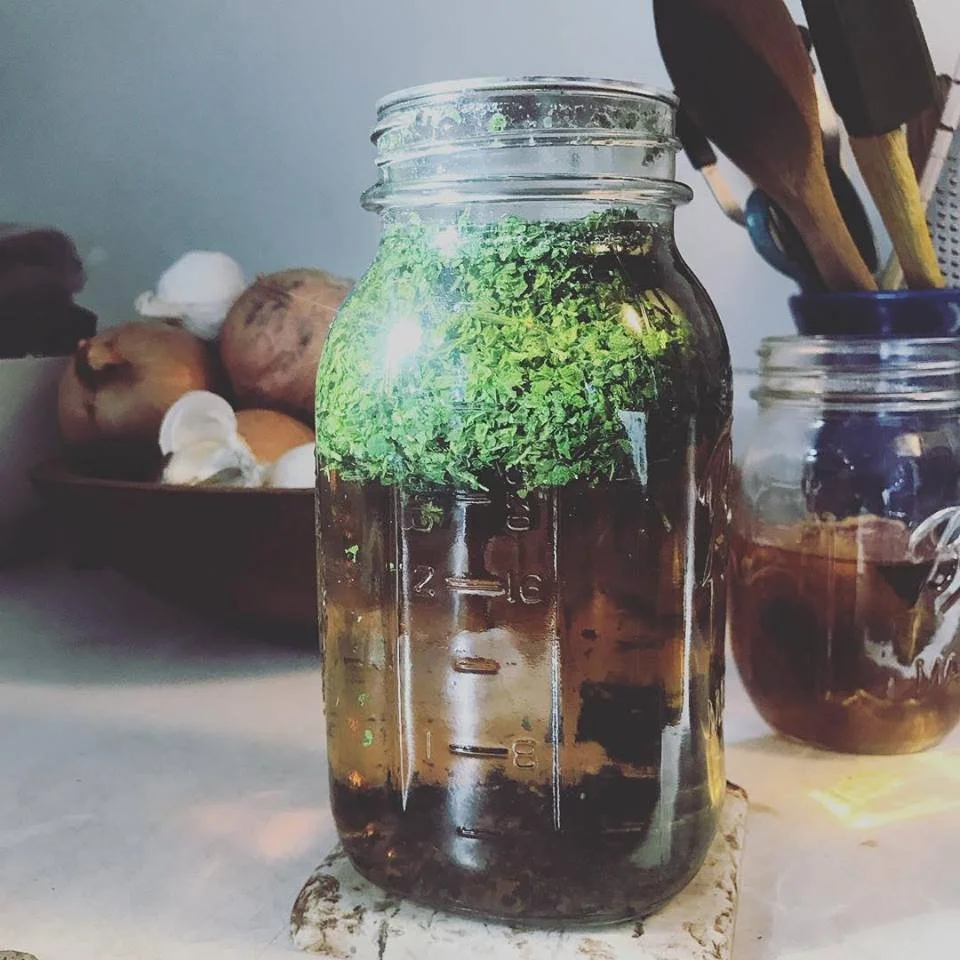
To prepare a Nettles Nourishing Infusion: Steep ¾-1 cup dried leaves in 1 quart of freshly boiled water for a minimum of 4 hours, or overnight. Strain and consume 2-4 cups daily.
Preparation Methods
Seeds: Tincture fresh material at 75% alcohol, or dry and store in a cool, dark spot for culinary addition—grind into spice mixes, sprinkle on meals, or eat solo.
Leaves and Stems: Enjoy as potherbs or food medicine, in ferments, tinctures (fresh at 75% alcohol, dried at 50%), glycerites, nourishing infusions, oxymels, teas, vinegars, or freeze-dried capsules.
Roots: Tincture at 75% alcohol, decoct, or encapsulate.
Recommended Dosages
Seeds: 1 tsp to 1 tbsp daily in food or as gomasio. Tincture: 2 drops to 1 dropperful, three times daily.
Leaves and Stems: Tincture or glycerite: ½-1 tsp three times daily. Infusion: 2-4 cups daily. Vinegar/oxymel: 3 tbsp daily or freely in food. Culinary use: Unlimited.
Roots: Tincture: ½-1 tsp three times daily. Decoction: ½ cup three times daily.
Potential Cautions
Seeds may overstimulate some individuals, mimicking caffeine—opt for dried or micro-doses. Avoid post-flowering, as calcium carbonate crystals may irritate kidneys.
Additional Insights
If nettles feel overly drying, blend with moistening allies like marshmallow root/leaf, licorice, oatstraw/milky oats, violet leaf, linden flower, or shatavari. Stem fibers craft cordage or cloth. Use as remineralizing compost tea for gardens. Employed in cheesemaking, dyeing, and brewing. Leaf rinses promote luxuriant hair.
Historical and Cultural Lore
Nettles feature in ancient Greek, Roman, Arab, Egyptian, and Sumerian practices, with Bronze Age fiber evidence from 3,000 years ago. Early medicinal texts highlight seeds. Hippocrates (460-377 BC) praised nettle seeds repeatedly; The Trotula (medieval women’s health) emphasized seeds and greens as food. Greeks applied roots topically for epistaxis, leaves for digestion and diuresis. Stem fibers made cordage into the 1950s across Italy and beyond. Galen (2nd century AD) endorsed leaves as diuretic/laxative in De Simplicibus, for wounds, swellings, bleeding, oral ulcers, spleen issues, pleurisy, asthma—and even as an aphrodisiac. Also used in cheesemaking, dyeing, beer.
Romans flogged themselves with nettles as rubefacients for warmth in cold climates. Medieval views cast it as a witches’ herb for graveyard affinity. Celtic tales deem it a fairy plant; dense patches signal fairy homes, stings warding evil and mischief. The 10th-century Anglo-Saxon Nine Herbs Charm invoked nettles against “elf-shot” pains and “flying venom.”
Staple in Sicilian/Italian/Mediterranean fare—risotto, ravioli, frittatas, pasta, soups. Vital in Scandinavia, Ireland, UK, Eastern Europe, Balkans, Russia, and Indigenous North American diets.
Central to the folktale “The Wild Swans,” where the heroine weaves nettle shirts in graveyards to break her brothers’ swan curse, embodying nettles’ transformative healing of lineages, curses, and wounds—plus protective magic. Its name Urtica derives from Latin “urere,” to burn.
Incorporating Nettles into Your Kitchen
Fundamental Guidelines
For fresh nettles, target young “tops”—the top 4-6 inches of early spring growth. As plants mature into late spring/early summer, harvest top 4-6 inches if tender, or strip older leaves from stems pre-flowering. I skip tough stems in cooking later on (too fibrous), reserving them frozen for broths—perfect for medicine still.
Handling Fresh, Raw, or Dried Forms
Blending, cooking (batter, soup, sauté), drying, or fine mincing neutralizes stings. Raw blended/minced may tingle mouth/throat for sensitive folks—blanch briefly in hot water if needed for non-cooked uses like pesto. Dried suit spice blends, soups/stews (sparingly), powders on food, or bulk in broths.
Freezing for Longevity
Freeze like kale/collards: Blanch 1 minute, squeeze dry, pack in containers/bags. Substitute for frozen spinach in winter dishes—soups, stews, broths. Nettle pestos freeze beautifully too.
Easy Kitchen Applications for Nettles
- Powder dried leaves for sprinkling on meals, smoothies, “nettle matcha,” zoom balls, batters, etc.
- Sprinkle dried seeds on food or into sauces/soups for thickening.
- Incorporate dried leaves/seeds into gomasio or custom spice blends.
- Stir dried leaves/powder into soups and stews.
- Freeze and deploy as frozen spinach substitute.
- Craft pesto from fresh (blanch optional pre-blend).
- Enrich bone/veggie broths/stocks with dried leaves.
- Sub fresh tops/leaves for spinach/greens in scrambles, quiche, frittatas, casseroles, spanakopita, soups, stews, pasta (especially fresh/homemade), risotto, gnocchi—endless options!
- Mix minced fresh nettle into hummus, falafel, tabbouleh, slaws—mincing eliminates sting.
- Ferment fresh into sauerkraut or kimchi.
- Brew nettle ale or beer.
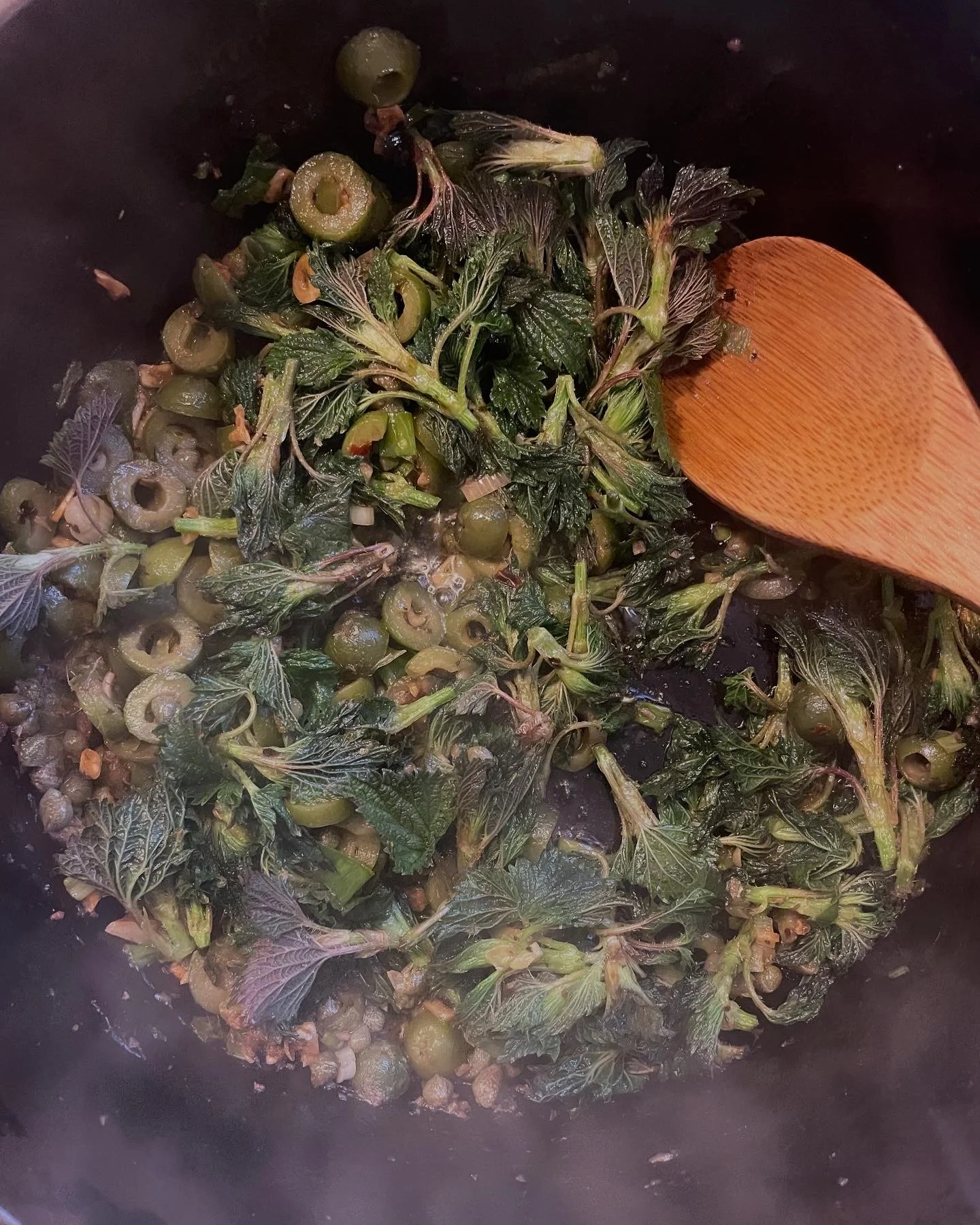
Nettles Puttanesca Recipe
This hearty, comforting twist on the Italian favorite is incredibly rewarding. Nettles’ innate saltiness—stemming from abundant minerals—pairs perfectly with garlic, anchovies, olives, and capers. In herbal terms, “salty” flavors signal mineral richness, and nettles epitomize this as a supreme nutritive, delivering bioavailable vitamins/minerals in ideal ratios.
Ingredients:
- 8 cups fresh nettle tops (tender top 3-5 inches)
- 4 cups arugula, garlic mustard, or dandelion greens
- One 2-oz can anchovies
- ½ cup chopped green garlic, chives, crow garlic, or scallions
- ¼ cup capers
- 1 cup sliced green olives (Castelvetrano preferred, but any work)
- 5 sliced garlic cloves
- ½-1 tsp crushed red pepper (to taste)
- ½ lb spaghetti or gluten-free alternative (Jovial recommended)
- Olive oil
Instructions:
- Boil heavily salted water.
- Meanwhile, chop olives, scallions, garlic; rinse greens.
- Heat ¼ cup olive oil in pan; add anchovies and garlic over medium-low until anchovies melt into paste.
- Add another ¼ cup oil, plus capers, olives, scallions (or substitutes), red flakes; sauté 5 minutes.
- Incorporate nettles and greens (or nettles solo); wilt 3-5 minutes.
- Cook pasta al dente; toss into pan, coating 1-2 minutes.
Serves 2-3. Savor the nourishment!