
What Are Functional Mushrooms?
Functional mushrooms are species valued not primarily for culinary use, but for their bioactive compounds — including polysaccharides, beta-glucans, triterpenes, and antioxidants — that may support various aspects of health. They are commonly consumed as teas, powders, extracts, tinctures, or blended into beverages.
Unlike psychedelic mushrooms, functional varieties are non-psychoactive and are used for their potential to support immune balance, cognitive function, energy, and stress adaptation.
Lion’s Mane: The Star of Cognitive Wellness
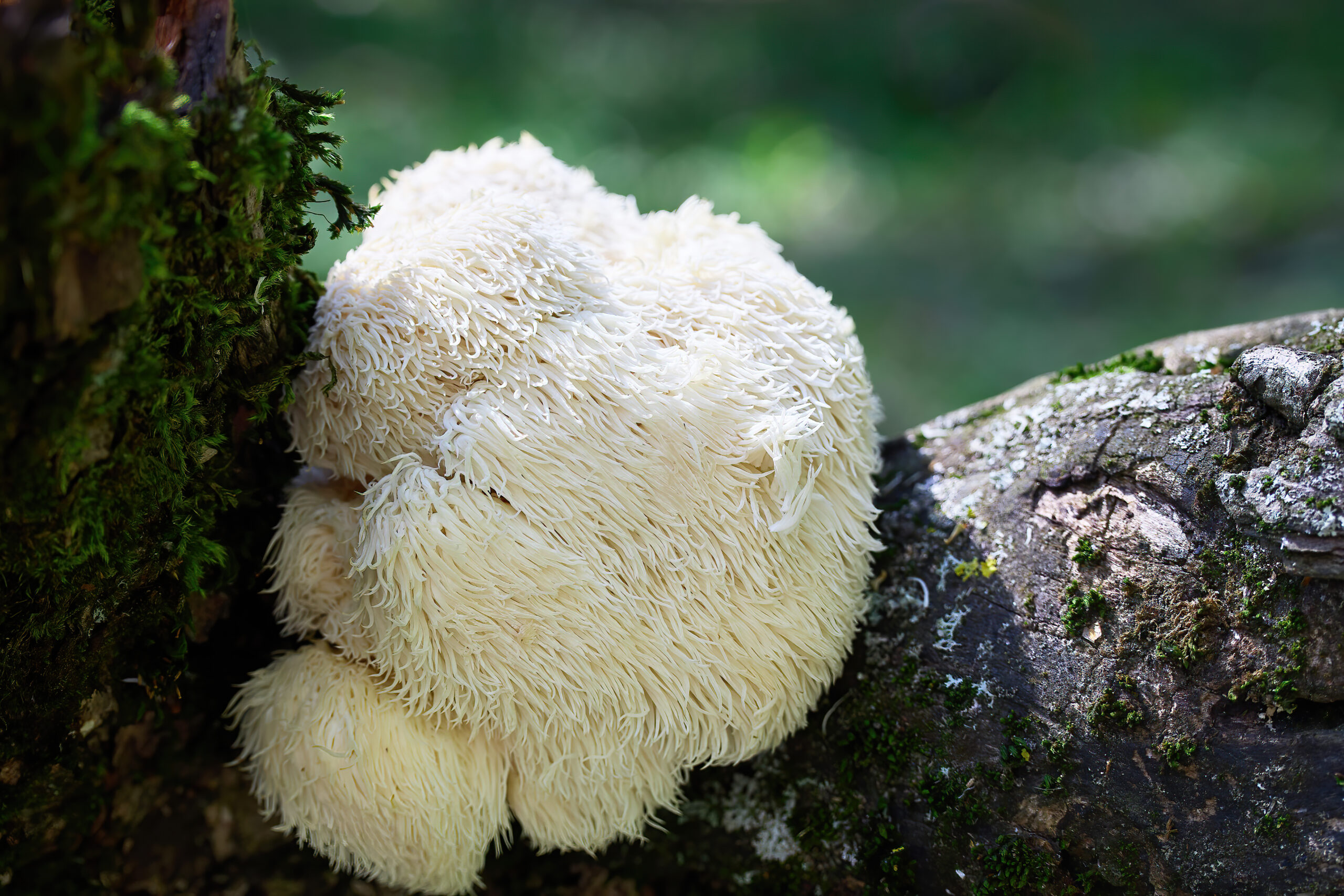
Lion’s mane (Hericium erinaceus), known in Polish as soplówka, has become one of the most talked-about functional mushrooms. Traditionally used in East Asian herbal practices, it is now widely studied for compounds called hericenones and erinacines, which are being explored for their potential role in supporting nerve health and cognitive function.
Many people turn to lion’s mane for support with focus, mental clarity, and a sense of calm alertness — often describing its effects as subtle yet noticeable over time.
Other Popular Functional Mushrooms
- Reishi (Ganoderma lucidum): Traditionally associated with relaxation, sleep support, and stress balance.
- Chaga (Inonotus obliquus): Valued for its antioxidant content and earthy, tea-like flavor.
- Cordyceps: Often used to support energy, stamina, and physical performance.
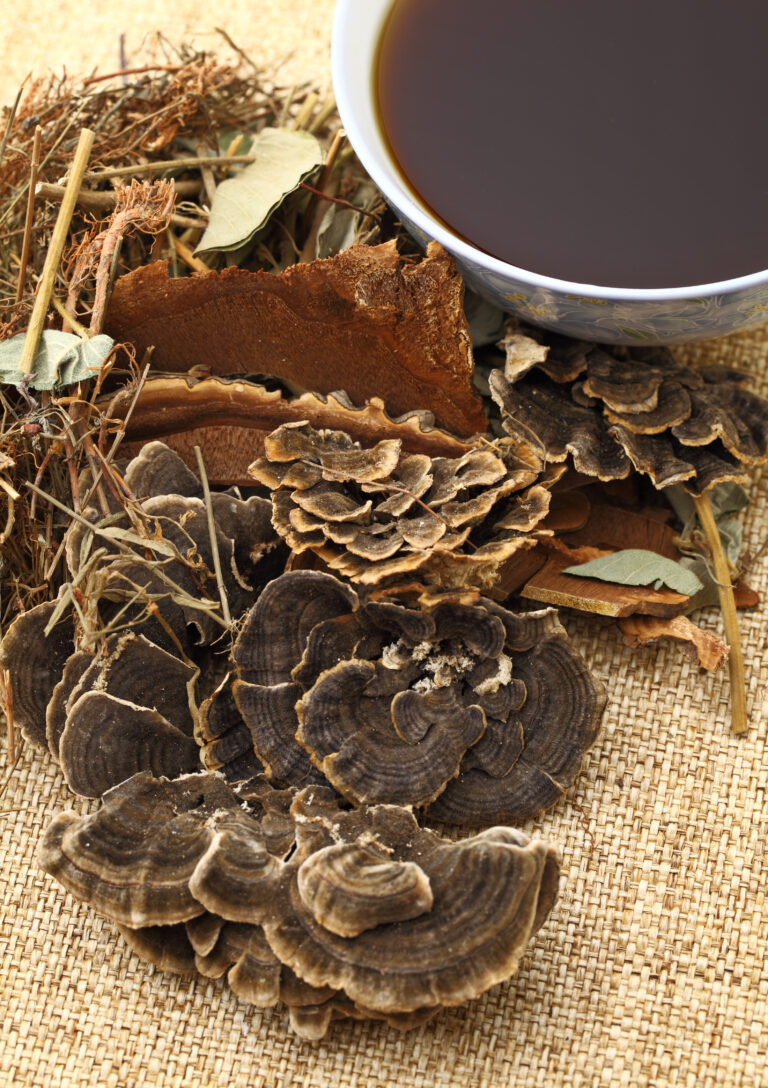
- Turkey Tail: Known for its rich polysaccharide content and immune-supportive reputation.
What Are Nootropics?
Nootropics are substances — natural or synthetic — that are used with the intention of supporting cognitive performance, including memory, focus, creativity, and mental endurance. In the context of herbal traditions, nootropics often overlap with adaptogens, plants and fungi believed to help the body adapt to stress and maintain balance.
Common natural nootropics include herbs like ginseng, bacopa, rhodiola, and of course functional mushrooms such as lion’s mane.
The Rise of Mushroom Coffee and Functional Drinks
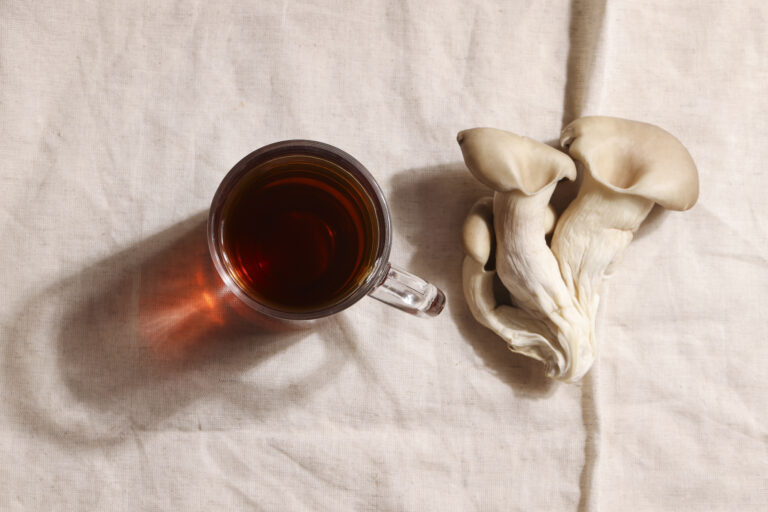
Mushroom coffee blends — typically combining ground coffee with extracts of mushrooms like lion’s mane or chaga — have surged in popularity as people look for alternatives that may offer a smoother energy experience. Many users report reduced jitters compared to traditional coffee, along with a more balanced sense of focus.
Beyond coffee, the market now includes mushroom hot chocolates, herbal lattes, ready-to-drink tonics, and powdered blends designed to be added to smoothies or teas. These beverages often combine mushrooms with cacao, spices, or adaptogenic herbs, creating complex flavor profiles that appeal to both wellness enthusiasts and curious newcomers.
Why the Growing Interest?
Several factors are driving the surge in popularity: a broader cultural shift toward natural wellness, growing scientific curiosity around plant and fungal compounds, and a desire for daily rituals that support mental clarity without overstimulation. Functional beverages also fit well into modern lifestyles, offering convenient ways to explore traditional ingredients.
A Tradition Revisited
Although marketed as cutting-edge, the use of medicinal mushrooms is centuries old. Traditional Chinese, Japanese, and Siberian practices have long incorporated fungi like reishi and chaga into decoctions and tonics. Today’s functional drink movement can be seen as a modern reinterpretation of these traditions, blending ancient knowledge with contemporary tastes.
Disclaimer: This article is for informational and educational purposes only. It is not intended as medical advice, diagnosis, or treatment. Functional mushrooms and herbal products may affect individuals differently. Always consult a qualified healthcare professional before adding new supplements or herbal preparations to your routine, especially if you are pregnant, nursing, taking medication, or managing a health condition.