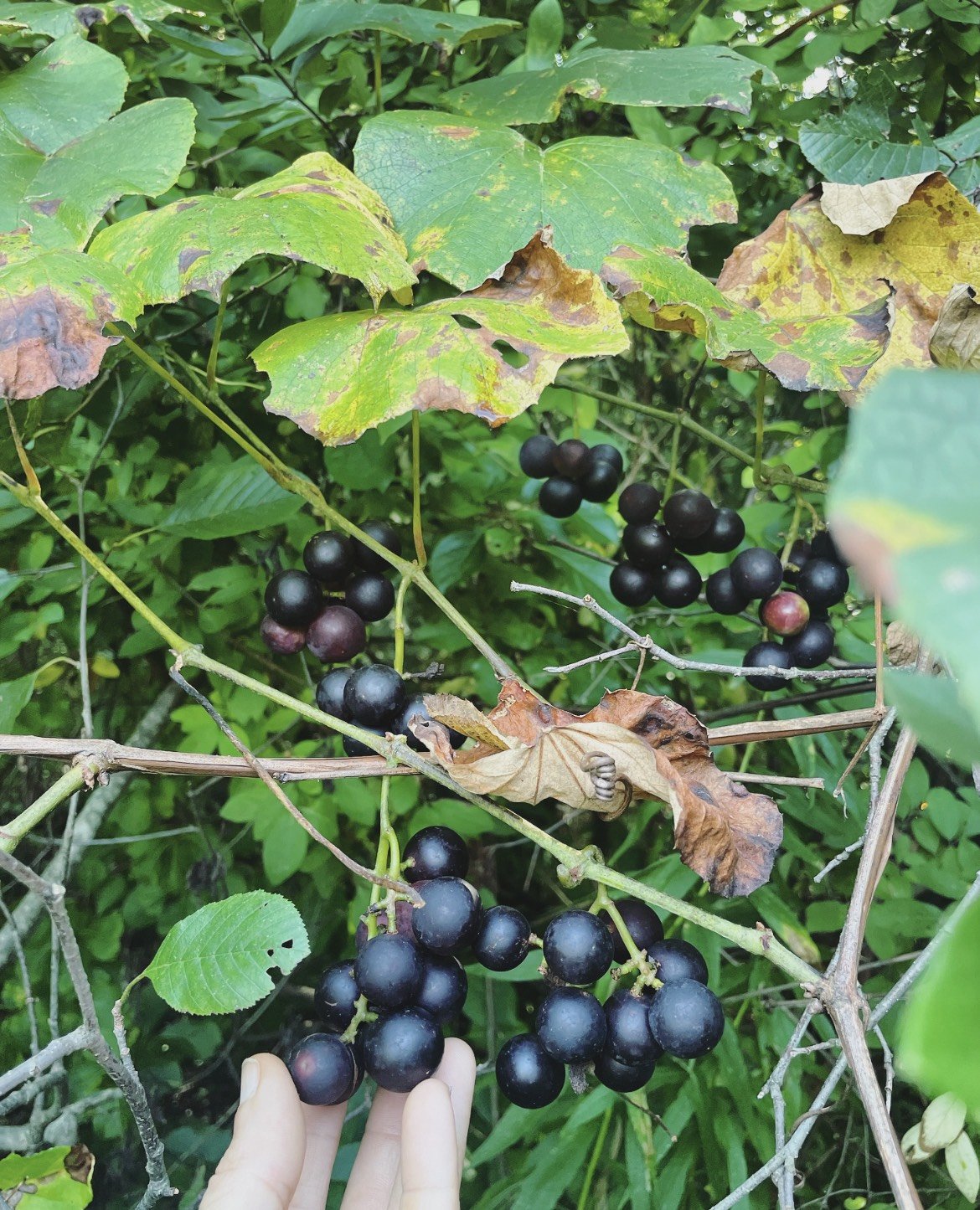


As the intense warmth of peak summer transitions into the warm, radiant light of late summer and the onset of autumn, I eagerly anticipate a time-honored ritual in my herbal practice: crafting Wild Grape Amaro. The Italian word “amaro” translates to “bitter,” and it commonly refers to a diverse category of herbal liqueurs from Italy that are enriched with an impressive variety of fruits, roots, barks, seeds, spices, and botanicals. These elixirs are frequently dubbed “digestivi,” a fitting name given their customary role at the conclusion of meals to support digestive health and extend the enjoyment of dining with loved ones. A renowned example hails from Italy’s Abruzzo region, known as Centerbe, or “a hundred herbs,” highlighting the extensive botanical complexity possible in these concoctions. Legend has it that this particular amaro draws its ingredients from the wild herbs flourishing on Mount Majella within the central Apennines, a poetic connection to the land.
Although my own homemade version might lack the storied lineage or vast herbal diversity of such classics, it faithfully embodies the spirit of utilizing the abundant plants from one’s local surroundings. This approach lies at the heart of traditional folk medicine and bioregional herbalism, which initially inspired me to incorporate wild grapes into my amaro. The recipe emerged from countless hours exploring overgrown hedgerows bathed in late summer’s golden light, honing my awareness to identify ripe herbs and fruits primed for gathering. You’ll know the wild grapes are harvest-ready when their intoxicatingly sweet aroma wafts on the wind and their hue deepens to a rich purple, at which point their skins pack a potent concentration of antioxidants, notably the celebrated resveratrol.
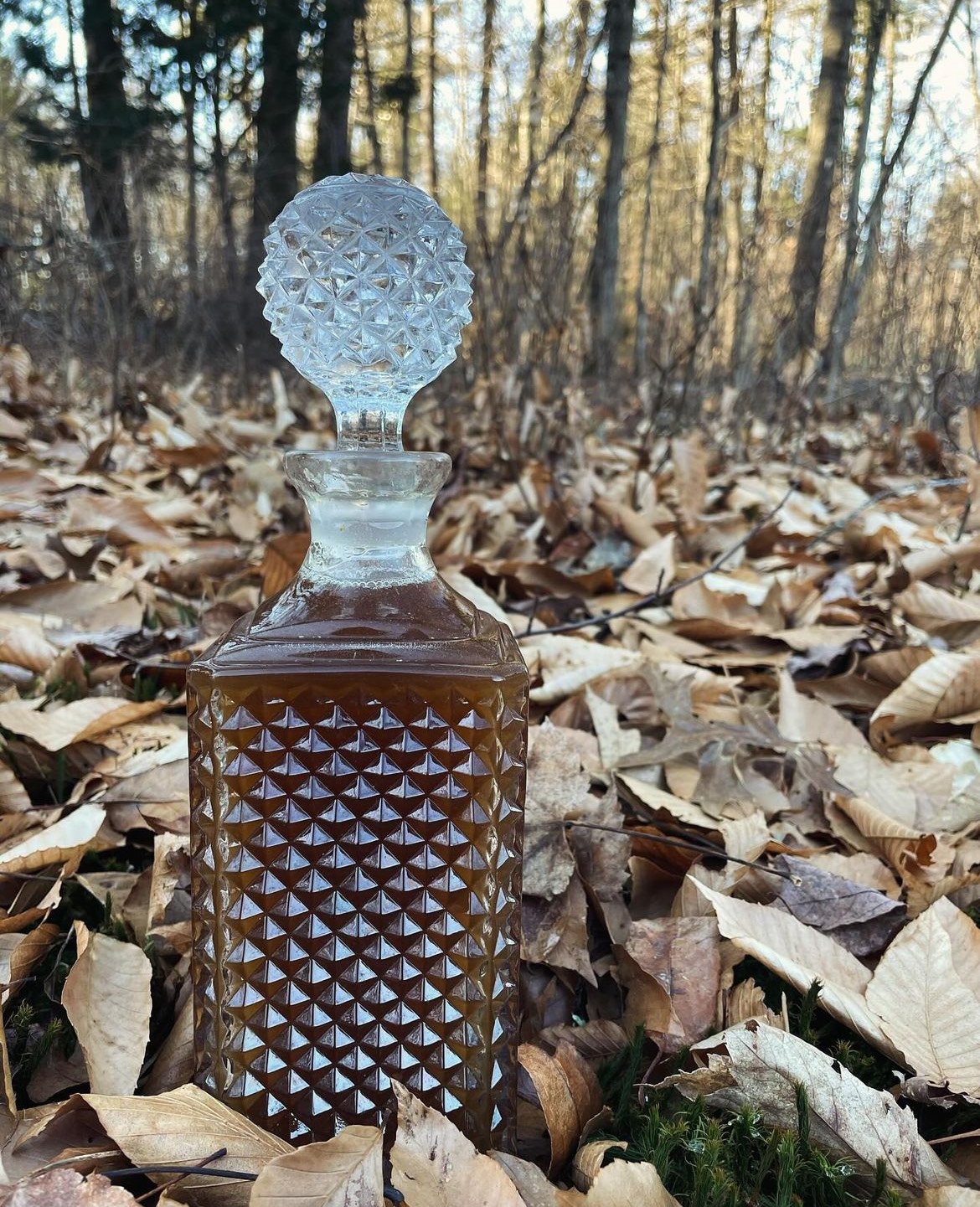
This cherished recipe and practice also pay tribute to my Italian forebears, who were adept at preparing their own amari in home kitchens—using the plural form “amari” for these beloved bitters—and savoring them for both therapeutic and indulgent purposes post-meal. Remarkably, this custom thrives vibrantly in contemporary Italy. I take particular delight in decanting my wild grape amaro into a elegant crystal vessel passed down from my Italian-American grandparents to my parents as a wedding gift, surely imagined filled with restorative herbal spirits. It’s profoundly moving to realize their dream through my own folk herbalism, forging a tangible link to my heritage with every batch I create.
Wild Grape Amaro

This formulation captures the essence of northeastern wild hedgerows, featuring botanicals that I can ethically wildcraft or cultivate, all aligning perfectly with the prime ripeness of wild grapes in late summer’s luminous haze. I invite you to adapt the proportions outlined in the following recipe to craft a personalized bioregional amaro, one that authentically mirrors the unique terroir of your own environment.
Rooted in ancestral folk medicine traditions, amaro preparation offers boundless flexibility—there’s no rigid formula, provided you blend bitter and aromatic elements, incorporate fruit or citrus peels, steep them in alcohol, and introduce sweetness. Conventionally, amari combine herb- and fruit-infused spirits with a simple syrup. Here, I’ve selected raw honey as the sweetener, incorporating it directly during the infusion process, though you’re welcome to opt for a sugar syrup instead or blend it in afterward. Many prefer adjusting the sweetness post-infusion to suit their palate precisely. Embrace your creativity and experiment freely—this is the art of approachable kitchen herbalism.
I must acknowledge my key mentors in amaro craftsmanship, MaryBeth Bonfiglio and Kara Wood, whose guidance has been invaluable in refining my skills.
Ingredients
- 1 cup Wild Grapes (I prefer Fox Grape, or Vitis labrusca; River Grape Vitis riparia or even cultivated varieties work splendidly too), gently crushed to release juices.
Note: In our area, wild grapes typically reach maturity from late August through early September. Even if they begin to wrinkle slightly on the vine, they’re ideal for use provided they’re free of mold, which is seldom an issue.
- 1 cup bitter herbs, finely chopped
Excellent options include Dandelion root and leaf (Taraxacum officinale), Chicory leaf and root (Cichorium intybus), Burdock leaf and root (Arctium lappa), Artichoke leaf (Cynara cardunculus var. scolymus), or Cardoon leaf (Cynara cardunculus). Combinations of these yield wonderful results.
- 1 cup aromatic bitter herbs (known in herbalism as carminatives), finely chopped
Top selections encompass Mugwort flowering tops (Artemisia vulgaris), Wormwood flowering tops or leaves (Artemisia absinthum), Angelica root (Angelica archangelica), Chamomile flowers (Matricaria chamomilla), Goldenrod flowering tops (Solidago spp.), or Garden Sage (Salvia officinalis). Mix and match as desired.
- 3/4 cup sweetish, aromatic herbs, finely chopped
Fresh Fennel bulbs and fronds (Foeniculum vulgare) are my go-to for this category. Alternatives like Mint (Mentha spp.), Basil (Ocimum basilicum), Anise Hyssop (Agastache foeniculum), Fennel Seed, Anise Seed, Ginger (Zingiber officinale), or Cinnamon (Cinnamomum verum) blend beautifully together.
- 1/4 cup citrus peel, finely chopped
Lemon, Grapefruit, or Orange peels are personal favorites, but any citrus will shine.
- Alcohol of choice
Select a neutral spirit at minimum 50% ABV (100 proof), like vodka or grappa; higher proofs are fine too. I favor 75% grain alcohol, which you can prepare by diluting 95% pure grain alcohol with 25% water.
- Raw honey
Note: Locally, wild grapes peak from late August to mid-September, and shriveled yet mold-free ones remain excellent. Late summer farmer’s markets often feature cultivated grapes at their seasonal best.
Instructions
- Crush the grapes thoroughly to liberate their juices, then transfer them into a clean 1-quart jar.
- Finely chop all selected herbs and layer them into the jar atop the grapes.
- Pour your chosen alcohol to cover the plant material by about 75% of the jar’s volume.
- Fill the remaining 25% with raw honey—even if crystallized, it will melt within days. A thin layer of herbs may protrude above the liquid, which is harmless if coated; it might oxidize and darken, but this poses no risk to quality.
Note: For post-infusion sweetening, cover herbs fully with alcohol alone, then incorporate honey or simple syrup to taste upon straining.
- Allow the mixture to infuse for a minimum of one month (extended steeping enhances flavor), shaking vigorously daily or frequently, and infuse it with your personal intentions and blessings during each shake.
- Strain the infusion meticulously and transfer into your most beautiful bottle. It stores indefinitely at ambient temperature.
How to Enjoy
Amari shine in diminutive cordial glasses, savored in 2-3 tablespoon servings either neat or poured over ice. They mix exquisitely into cocktails with Prosecco, soda water, or seltzer for effervescent delight. In Italy, a cherished ritual involves adding them to espresso for a “Caffè Corretto,” enriching the coffee’s boldness. Alternatively, drizzle into an emptied espresso cup to capture lingering flavors, or enjoy post-dinner as a soothing capstone.
Beyond their delectable profile, these elixirs offer profound medicinal value thanks to the bitter, aromatic, and tonifying herbs. Ideal before or after meals, they ignite digestive secretions, enzymes, and motility while promoting deep relaxation. This parasympathetic “rest and digest” mode optimizes nutrient uptake, gut function, and overall nervous system equilibrium. The bitter principle itself boasts extensive wellness applications, from enhancing liver vitality to balancing blood dynamics.
In certain European herbal lineages, such sweetened botanical spirits are termed cordials—a word evoking “warm and friendly,” with ancient roots meaning “of the heart.” Derived from Middle Latin cordialis, tracing to Latin cor or cord- for heart, it beautifully suits amaro’s role. I view it as a heart-centered cordial, perfect for sharing in good company, drawing us into emotional warmth away from mental chatter. While the herbs deliver tangible physiological perks, the ritual of sipping cordials fosters profound sensations of coziness, reassurance, and joy—especially alongside cherished meals with those we hold dear.
Savor every moment!