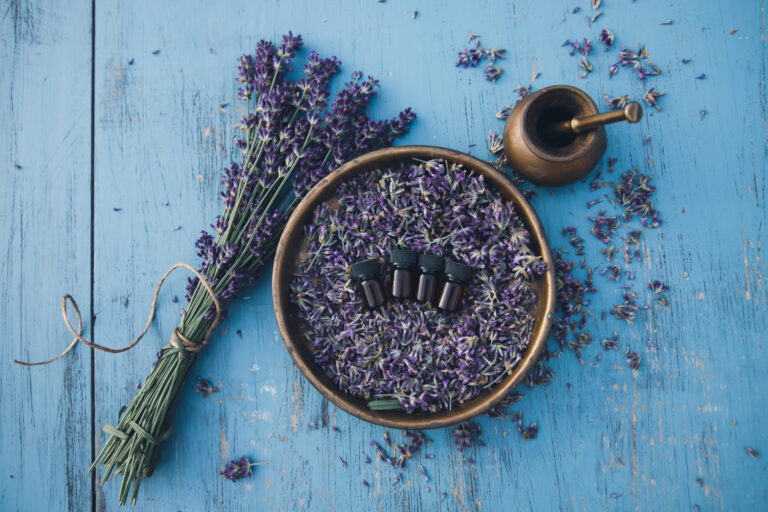


Scent has a unique ability to anchor attention. When used intentionally, aromatic plants can help create a sensory environment that encourages calm awareness, making it easier to arrive fully in the present moment. Across cultures and contemplative traditions, fragrant resins, herbs, and flowers have long accompanied practices of reflection and stillness.
Why Scent Works So Well with Mindfulness
The sense of smell connects directly with brain regions involved in emotion and memory. Because of this close relationship, scent can quickly influence mental states, helping the mind transition from distraction toward gentle focus.
Unlike visual or auditory cues, scent tends to be less cognitively demanding. It operates quietly in the background, offering a subtle point of reference that can guide attention back when the mind begins to wander — a common experience in meditation.
In mindfulness practice, this can function as a form of “sensory grounding,” supporting a felt sense of stability and presence.
Creating a Sensory Container for Practice
Many practitioners find that incorporating aromatherapy helps establish a consistent ritual. Over time, the nervous system begins to associate a particular scent with stillness, making it easier to settle into practice.
Consider diffusing a familiar aroma before meditation or applying a diluted essential oil blend to pulse points. These small gestures can signal to the body that it is time to slow down and turn inward.

Essential Oils Often Used in Meditation Settings
Different aromatic profiles can support different qualities of attention. Some scents encourage grounding, while others gently uplift or clarify the mind.
- Frankincense (Boswellia species) — traditionally used in spiritual practices, known for its centering and contemplative character.
- Sandalwood (Santalum species) — warm and steady, often associated with deep, sustained focus.
- Lavender (Lavandula angustifolia) — softens mental tension and supports relaxation.
- Rose (Rosa damascena) — encourages emotional openness and gentle awareness.
- Sweet Orange (Citrus sinensis) — brings lightness and ease, helpful for easing restlessness.
Using Aromatherapy as an Anchor During Meditation
If attention drifts — as it naturally does — scent can serve as a quiet reminder to return. Simply noticing the aroma, without analyzing or labeling it, can become a point of mindful observation.
This approach aligns with traditional mindfulness instructions: gently acknowledging distraction and returning to a chosen object of awareness. In this case, the fragrance becomes part of the meditative landscape.
A Simple Aromatic Mindfulness Practice
- Choose a calming essential oil or blend that feels pleasant and non-intrusive.
- Diffuse it lightly or place a drop on a cotton pad nearby.
- Sit comfortably and bring attention to the natural rhythm of breathing.
- Occasionally notice the scent — its qualities, intensity, and how it changes.
- Allow the aroma to support a sense of gentle curiosity.
This practice can be especially helpful for beginners who benefit from multiple sensory cues.
The Role of Consistency and Intention
Mindfulness is less about achieving a particular state and more about cultivating a relationship with experience. Using the same aroma regularly can strengthen this relationship, turning scent into a familiar companion on the path of practice.
Over time, even a brief inhale may evoke a subtle shift toward calm — a reminder of previous moments of stillness.
Integrating Scent Beyond Formal Meditation
Aromatherapy can also support informal mindfulness throughout the day. Pausing to notice a calming fragrance while making tea, working at a desk, or stepping outside can help reconnect attention with the present moment.
These small pauses accumulate, gradually shaping a more attentive and grounded way of moving through daily life.
Working with scent invites a softer approach to awareness — one that engages the senses without effort. In the quiet presence of a familiar aroma, mindfulness becomes less about discipline and more about gentle remembering.