


Why Is Your Period Late?
The most common initial thought when experiencing a delayed menstrual period is pregnancy. Yet, numerous other factors can contribute to this occurrence beyond just conception.
A typical menstrual cycle spans approximately 28 days on average, though this duration can vary significantly among different women. For some, the cycle might extend a bit longer or shorter than this standard. Additionally, certain women deal with completely irregular menstruation patterns without a predictable rhythm.
Factors such as the duration of bleeding, the intensity of the flow, and the intervals between cycles can differ not only between individuals but also from one month to the next for the same woman. Occasionally, the menstrual cycle may arrive later than expected or even pause entirely. While many people immediately associate a late period with pregnancy, this is not always accurate. Plenty of women encounter delays even when pregnancy tests come back negative.
Understanding the diverse array of potential causes for a delayed period is crucial, and seeking professional medical advice is advisable if this issue persists. In this detailed guide, we will explore 10 primary reasons behind late periods and discuss natural strategies to help restore cycle regularity.
Stress and Tension Impacting the Menstrual Cycle

Stress and emotional tension often arise from various life changes, such as environmental shifts, academic exam periods, alterations in sleep routines, personal relationship dynamics, or even moving to a new location. These stressors have the potential to delay or interrupt the menstrual cycle. Fortunately, such disruptions are typically short-lived and resolve spontaneously once the underlying stress diminishes.
Disruptions in Daily Routines
Maintaining a consistent daily schedule— including fixed times for waking, eating meals, and retiring to bed—supports hormonal balance. However, when this routine suddenly gets upended, it can correspondingly throw off the menstrual cycle. For instance, if you find yourself staying up late into the night or extending work hours unexpectedly, be aware that these changes might influence the timing of your period.
Miscalculations in Tracking the Cycle
A frequent culprit for perceived late periods is simply an error in calculating the cycle dates. Numerous women are unaware of how to precisely determine their ovulation day or neglect to track it altogether. As a result, they may not have an accurate idea of when their period should begin, leading to unnecessary worry about delays. If you have not recorded the start date of your previous period in a calendar or app, it is wise to allow a few extra days before concluding that your period is truly late.
Significant Weight Fluctuations Leading to Delays

Drastic alterations in body weight, whether through rapid gain or loss, or extreme dietary modifications, can trigger late periods. This is particularly evident in cases of severe restrictive dieting or eating disorders that result in malnutrition. Women grappling with anorexia nervosa, obesity, or sudden substantial weight increases might experience absent periods altogether. While this absence may initially seem advantageous, it actually signals underlying health concerns. A consistent menstrual cycle is a positive indicator of overall well-being, and maintaining it should be appreciated rather than viewed as an inconvenience.
Polycystic Ovary Syndrome (PCOS)
Polycystic ovary syndrome represents a hormonal disorder that disrupts ovulation in affected women, often leading to consistently irregular menstrual cycles. As a chronic condition, PCOS manifests through recurrent unpredictable periods. Medical professionals can confirm the diagnosis via hormonal blood tests and pelvic ultrasounds, subsequently prescribing appropriate management strategies to address the symptoms.
Underlying Medical and Hormonal Issues
Various health conditions, including cardiovascular diseases, diabetes mellitus, or premature menopause, can interfere with menstrual regularity. Imbalances in specific hormones like prolactin or those produced by the thyroid gland are also known to provoke delays in menstruation. Such issues can be identified through comprehensive blood work, enabling targeted treatment.
Pregnancy and Breastfeeding Effects
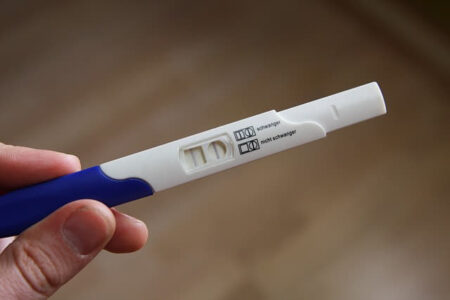
Of course, one of the most straightforward explanations for a late period is pregnancy itself, which naturally halts menstruation. When your period is delayed by just a few days, the initial step is to perform a reliable home pregnancy test. Furthermore, breastfeeding postpartum can lead to irregular cycles. The elevated levels of prolactin, essential for milk production, suppress the hormones responsible for ovulation and menstruation, thereby extending the time between periods.
Excessive Physical Exercise
While regular exercise offers immense health benefits, overdoing it can have adverse effects. Beyond the risks of injuries like stress fractures, intense and prolonged workouts send distress signals throughout the body, prompting it to temporarily halt reproductive functions, including the menstrual cycle. This phenomenon is especially prevalent among elite athletes, such as long-distance runners and competitive cyclists, who often report delayed or missed periods.
Medications Interfering with Cycle Regularity
Some medications, including those labeled as vegan-friendly or others containing compounds that influence hormone levels, can disrupt the menstrual cycle. If you notice cycle irregularities coinciding with the start of a new prescription, it is essential to discuss this potential side effect with your healthcare provider to explore alternatives or adjustments.
Thyroid Gland Malfunctions
Statistics indicate that around 20% of women experience thyroid disorders, with nearly half of these cases going undiagnosed. The thyroid gland is pivotal in regulating metabolism through hormones like thyroxine, which works alongside insulin and cortisol. Since thyroid hormones influence metabolic processes in every cell, any deficiency or excess can cascade into widespread bodily disruptions. This includes menstrual irregularities, such as delayed periods, absent ovulation, prolonged heavy bleeding, or unusually short cycles. In severe instances, thyroid issues may contribute to infertility, diminished libido, pregnancy complications, and repeated miscarriages.
Natural Home Remedies to Encourage Late Periods

Fennel Seeds for Cycle Regulation
Fennel seeds offer a gentle way to promote menstrual regularity. They also support healthy blood circulation and relax smooth muscles, including those in the uterus, potentially easing the discomfort associated with periods. To utilize them, soak a teaspoon of fennel seeds in warm water overnight and consume the infusion each morning until your period arrives.
Ginger Root Infusion
Ginger root boasts numerous wellness advantages, including its capacity to prompt the onset of menstruation and alleviate its symptoms. This potent herb soothes muscle tension and aids in detoxification. Incorporate fresh ginger into meals or prepare a soothing tea: simmer a small piece of ginger root in water for about 20 minutes, cover to steep until cool, strain, and sip up to three times daily. A touch of date syrup can enhance its flavor without compromising benefits.
Sesame Seeds Benefits
Opt for ground roasted sesame seeds or pure tahini. Consume one teaspoon on an empty stomach daily, starting two weeks prior to your expected period. This practice can foster regularity and reduce period intensity. Sesame seeds are particularly valuable due to their high vitamin E content, which supports blood purification and hormonal balance.
Relaxation Techniques and Moderate Exercise

Engaging in calming pursuits like meditation, swimming, or other stress-relieving activities can accelerate the menstrual cycle and lessen its challenges. Stress not only affects mental health but also manifests physically through muscle tightness, which can delay periods and intensify cramps. Incorporating daily relaxation breaks, gentle exercises, and moments of disconnection promotes both emotional well-being and timely menstruation. Even moderate activities, such as a 30-minute brisk walk each day, boost circulation sufficiently to encourage period onset.
Hot Baths with Essential Oils
This time-honored remedy, passed down through generations, remains effective today. To induce menstruation, immerse yourself in a warm bath, allowing the heat to penetrate deeply. Enhance the experience by adding relaxing essential oils like chamomile or lavender. Beyond providing respite from daily stresses, the warmth relaxes abdominal muscles and increases uterine blood flow. For those without a bathtub, applying a warm compress directly to the lower abdomen yields similar results.
Vitamin C-Rich Foods for Menstrual Support
Renowned for bolstering immunity and mitigating stress, vitamin C also plays a role in prompting earlier menstruation. It promotes thickening of the uterine lining, facilitating timely shedding. Traditional wisdom suggests that ample vitamin C from diet or supplements induces uterine contractions, hastening periods while potentially reducing pain. Boost your intake with foods like oranges, lemons, kiwis, broccoli, bell peppers, papayas, tomatoes, dark leafy greens, and pineapples to naturally regulate your cycle.